Lung Cancer Treatment Hospital in Kolkata | Hope & Heal
The lungs help the body take in oxygen and release carbon dioxide. Lung cancer develops when abnormal cells in the lungs grow uncontrollably. Smoking is the leading risk factor, but people who have never smoked can also develop lung cancer. Quitting smoking can reduce the risk over time, and avoiding second-hand smoke may also help reduce risk.
A lung cancer diagnosis can affect a person's physical health and emotional wellbeing. Hope & Heal provides information about lung cancer assessment and treatment services. Treatment options are discussed with each patient based on the cancer type, stage, test results, overall health, and individual needs. Outcomes vary from person to person.
Lung Cancer Treatment Services at Hope & Heal
Depending on clinical needs and availability, lung cancer care may involve radiation oncology, medical oncology, surgery, palliative care, and support services. Treatment plans and costs depend on the diagnosis, recommended treatment, and individual circumstances. Contact the hospital for current service and cost information.
Radiation Oncology
Radiation therapy uses carefully planned radiation to treat cancer. Techniques such as stereotactic body radiation therapy (SBRT) and intensity-modulated radiation therapy (IMRT) may be considered for selected patients. Suitability, possible side effects, and expected benefits depend on the treatment plan and each patient's clinical circumstances.

Medical Oncology
Medical oncology may include chemotherapy, targeted therapy, or immunotherapy, depending on the cancer type, stage, biomarker results, previous treatment, and the patient's overall health. A specialist can explain the potential benefits, limitations, and side effects of the available options.
Palliative Care
Palliative care helps address pain, other symptoms, and emotional or practical concerns at different stages of cancer. It can be provided alongside other treatments when appropriate, with the aim of supporting quality of life.
Surgical Oncology
Surgery may be an option for some lung cancers, depending on the cancer's type, location, stage, and the patient's fitness for surgery. Minimally invasive or robotic techniques may be appropriate in selected cases. Recovery time, discomfort, and risks vary between patients and procedures.

Preventive Oncology
Risk-reduction guidance may include quitting smoking, avoiding second-hand smoke, and reducing exposure to known carcinogens where possible. Lung cancer screening is recommended only for people who meet applicable eligibility criteria. A healthcare professional can explain the potential benefits and risks of screening.
Hope & Heal provides information about its lung cancer services to help patients and families understand available care options. A healthcare professional can discuss whether a service is suitable for an individual patient's needs.
Lung Cancer Symptoms: When to Seek Medical Advice
Lung cancer may not cause noticeable symptoms in its early stages. When symptoms occur, they can include the following warning signs:
- Chest pain: Unexplained pain or discomfort in the chest.
- Persistent Cough: An ongoing cough that either becomes worse with time or doesn't go away.
- Hoarseness: A persistent change in the voice.
- Coughing up blood: Blood in sputum should be assessed promptly by a healthcare professional.
- Wheezing: A whistling sound while breathing.
- Shortness of breath: Difficulty breathing or breathlessness with activity.
- Repeated respiratory infections: Recurring episodes of chest infection, pneumonia, or bronchitis.
- Fatigue: An unusual level of exhaustion that does not go away with rest.
If lung cancer spreads, symptoms may depend on the part of the body affected. Possible symptoms can include:
- Unexplained Weight Loss: Abrupt weight loss that doesn't correspond with dietary adjustments.
- Bone pain: Persistent pain in a bone.
- Headaches: New, persistent, or worsening headaches.
- Face or neck swelling: Unexplained swelling should be assessed by a healthcare professional.
- Appetite Loss: A noticeable reduction in appetite.
These symptoms can have causes other than lung cancer, but persistent or worsening symptoms should be assessed by a healthcare professional. Coughing up blood or significant breathing difficulty needs prompt medical attention. When lung cancer is detected at an earlier stage, treatment options and the potential for successful treatment may differ from those available at later stages. Outcomes vary depending on the type and stage of cancer and individual health factors.
Types of Lung Cancer and Their Risk Factors
Understanding lung cancer risk factors can help people make informed decisions about risk reduction and screening. Some risk factors cannot be changed, while others may be reduced. The information below describes several recognised risk factors and the main types of lung cancer.
Risk Factors

Second-hand Smoke Exposure
Breathing second-hand tobacco smoke can increase the risk of lung cancer, even in people who do not smoke.

Smoking
Smoking is a major cause of lung cancer. Risk generally increases with the amount smoked and the length of time a person smokes. Quitting smoking can reduce risk, even after many years of smoking.

Exposure to Radon Gas
This naturally occurring gas can build up in buildings and residences, especially in basements. An increased risk of lung cancer is linked to prolonged exposure to high radon levels.

Prior Radiation Therapy
Radiation therapy involving the chest may be associated with a later risk of lung cancer in some people. Individual risk depends on factors including the treatment received and other exposures.

Family History
Your risk may be raised if a member of your family has been diagnosed with lung cancer. Some people are more vulnerable due to genetic predispositions.

Occupational Hazards
Workplace exposure to carcinogens such as asbestos, arsenic, and certain nickel compounds can increase lung cancer risk. Risk may be affected by the level and duration of exposure and by smoking history.
Types Of Lung Cancer
There are two main forms of lung cancer, which are crucial for directing treatment approaches:
1. Non-small cell lung cancer (NSCLC): This is the most common kind of cancer that has multiple subgroups, including:
- Squamous Cell Carcinoma: This type of cancer starts in the cells that line the airways and is frequently associated with smoking.
- Adenocarcinoma: This type usually starts in the outer regions of the lungs and is commonly observed in non-smokers.
- Large Cell Carcinoma: This kind is known for its quick growth and can appear anywhere in the lung.
2. Small Cell Lung Cancer (SCLC): Usually detected in heavy smokers, SCLC is less prevalent but has a tendency to spread quickly and is sometimes discovered later because of its aggressive character.
Knowing about lung cancer risk factors and the main types of the disease can help people discuss concerns with a healthcare professional. If you have symptoms or questions about your personal risk, seek medical advice. Learn more about the services available at Hope & Heal, or contact the hospital for information about treatment options and costs.
Lung Cancer Care Services at Hope & Heal
People considering lung cancer care may wish to ask about the services available, the clinical team involved, expected costs, and the benefits and risks of recommended treatments. The following sections describe areas of support offered by the hospital; availability should be confirmed directly.

Cancer Treatment Facilities and Services
The hospital's facilities and available treatments support assessment and care. Specific tests and treatment options depend on clinical needs and availability.

Oncology Team and Specialities
The oncology team can discuss diagnosis and treatment options based on each patient's condition. Please contact the hospital to confirm current clinicians, qualifications, and appointment availability.

Treatment Costs and Payment Information
Treatment costs depend on the diagnosis, tests, treatment plan, medicines, and length of care. Contact the hospital for an estimate based on the proposed treatment and ask about applicable payment or coverage options.

Supportive and Palliative Care Services
Depending on individual needs and available services, support may include coordination between clinical teams, symptom management, and rehabilitation guidance.

Patient Information and Support
Patients and families can ask the care team questions about the diagnosis, treatment plan, possible side effects, and available support.
For information about lung cancer services or to discuss appointment availability, contact Hope & Heal. A clinical assessment is needed to determine which investigations or treatments may be appropriate.
Frequently Asked Questions
Q. Can breathing be affected by lung cancer surgery?
Yes. Lung cancer surgery can affect breathing, particularly when part or all of a lung is removed. The effect depends on the extent of surgery and a person's lung function before the procedure. The clinical team can explain expected recovery, risks, and rehabilitation options for the individual case.
Q. What are the treatment options for lung cancer?
Treatment depends on the type and stage of lung cancer, test and biomarker results, overall health, and patient preferences. Options may include:
- Surgery: May remove the tumour and a portion of lung tissue in selected cases.
- Chemotherapy: Medicines that kill cancer cells or slow their growth.
- Radiation therapy: Uses radiation to damage cancer cells in a targeted area.
- Targeted therapy: Medicines that act on specific molecular changes in cancer cells when appropriate.
- Immunotherapy: Medicines that help the immune system recognise or attack cancer cells in selected cases.
Q. Can stage 4 lung cancer be treated?
Stage 4 lung cancer can often be treated, although it is usually not considered curable. Depending on the cancer type, biomarker results, and a person's health, treatment may help control the disease, relieve symptoms, and sometimes extend life. A specialist can explain the options and their likely benefits and risks.
Q. How effective is chemotherapy for lung cancer?
The effect of chemotherapy varies with the type and stage of lung cancer, the medicines used, whether they are combined with other treatments, and the patient's health. It may shrink or slow some cancers, but it can also cause side effects. The treating specialist can explain the expected benefits and risks for an individual treatment plan.
Q. Is it possible to survive lung cancer for 20 years?
Some people live for many years after a lung cancer diagnosis, but outcomes vary widely. They depend on factors such as cancer type and stage, tumour characteristics, response to treatment, and overall health. A healthcare professional can discuss relevant survival information for a specific diagnosis.
Q. What effects does lung cancer have on your life?
Lung cancer and its treatment can affect breathing, energy, daily activities, relationships, and emotional wellbeing. The impact differs from person to person. Supportive care, symptom management, rehabilitation, and help from family or professionals may assist with quality of life. Your care team can discuss concerns related to treatment and recovery.
Q. Can lung cancer be removed with surgery?
Surgery may be suitable for some lung cancers, particularly certain cancers diagnosed at an earlier stage. Whether surgery is an option depends on the cancer's type, location and stage, as well as the person's overall health and lung function. Other treatments may be recommended when surgery is not suitable.
Q. Does lung cancer have a cure?
Some lung cancers can be cured, particularly when diagnosed at an early stage, but not every case is curable. Treatment goals depend on the cancer's type and stage and may include cure, disease control, symptom relief, or improving quality of life. Remission means signs of cancer have decreased or are not detectable; it does not always mean the cancer has been cured.
 Find A Doctor
 Pathology Services
- Centre of Excellence
- • Surgical Oncology Services
- • Radiation Oncology Services
- • Medical Oncology Services
- • Pain, Palliative Care
- • Preventive Oncology Services
- • Radiology and Interventional Oncology Services
- • Interventional Gastroenterology Services
- • Nuclear Medicines Services
- • Pathology
- • Immunotherapy
- • Anaesthesiology
Now You Cancer. There's Hope!
Comprehensive Cancer Care Services in North Bengal
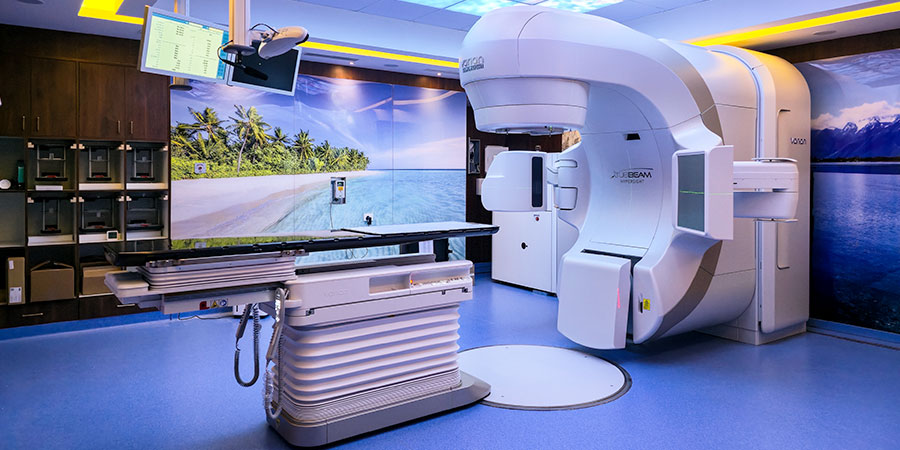
TrueBeam with HyperSight
Advanced Radiotherapy in North Bengal
- High-Precision Targeting
- Submillimetric Accuracy
- Adaptive Radiotherapy
- Advanced Motion Management
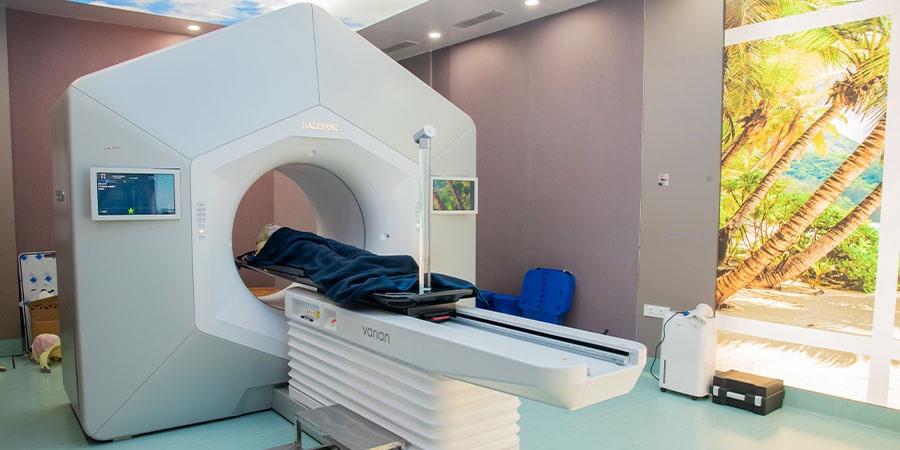
Halcyon-E Machine
Advanced Radiotherapy Platform in North Bengal
- Accelerated Treatment Delivery
- Image-Guided Radiation Therapy
- Patient-Centric Comfort & Safety
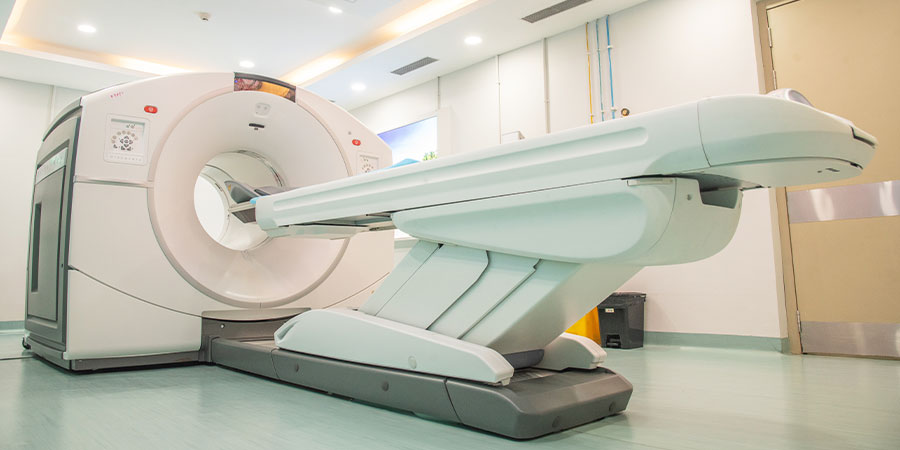
PET-CT
GE Three Ring Machine
- Precision Staging of Malignancies
- Informed Treatment Planning Support
- Designed for Patient Comfort & Safety
 Important Links
- Cancer Hospital In Siliguri
- Oncology Centre In Siliguri
- Radiation Therapy In Siliguri
- Chemotherapy In Siliguri
- Biopsy Test In Siliguri
- Cancer Treatment In Siliguri
- Lung Cancer Hospital
- Lung Cancer Treatment Siliguri
- Lung Cancer Treatment Hospital in Kolkata
- Cancer Treatment Hospital in Kolkata
- Sign and Symptoms
- Understanding Cause And Symptoms
- Breast Cancer Awareness Month






Copyrights © 2026, Hope & Heal Cancer Hospital and Research Center.

Make An Appointment
Submit your details and we will contact you.


Let's Pledge To Fight Cancer
- Be Aware - That tobacco is the most preventable casuse of cancer.
- Lead Healthy Lifestyle - Stay fit & reduce the risk of cancer.
- Know The Symptoms - Visit doctor if you suspect anything.
- Early Detection - To easy & successful treatment.
Make An Appointment
Submit your details and we will contact you.
Let's Pledge To Fight Cancer
- Be Aware - That tobacco is the most preventable casuse of cancer.
- Lead Healthy Lifestyle - Stay fit & reduce the risk of cancer.
- Know The Symptoms - Visit doctor if you suspect anything.
- Early Detection - To easy & successful treatment.
Online Video Consultation Enquiry