4th OctoberSunday
Screening camp
Pink Ribbon Walk & free screening
7:00 AM · starts at the hospital main gate. 3 km family walk followed by free clinical breast exams.
Breast Cancer Awareness Month is observed every October to make people aware of breast cancer. It highlights that early detection, timely medical evaluation, and access to appropriate care can help individuals survive breast cancer. It also helps people learn the early signs of breast cancer, understand screening options, and see a doctor if they notice any unusual changes.
When individuals know the early signs of breast cancer, understand what the risk factors are, and consult a doctor promptly, they can make better decisions about their breast health and increase their chances of surviving the cancer. At Hope & Heal, this month is a chance to spread awareness, support people affected by breast cancer, and highlight the importance of care throughout the cycle.
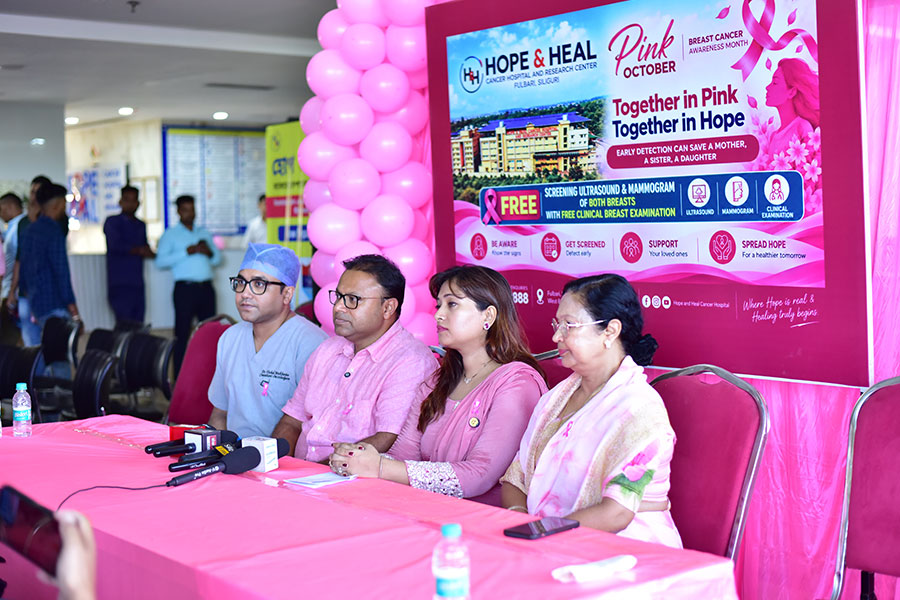
Breast Cancer Awareness Month is an annual international health campaign observed from 1st to 31st October. It aims to improve public understanding of breast cancer, encourage early detection, promote access to timely diagnosis and treatment, and support people affected by the disease.
Breast cancer develops when cells in breast tissue grow uncontrollably. It can affect people of different ages, although the risk generally increases with age. The important thing to note is that while breast cancer is more common in women, men can also develop the disease.
People wear a pink ribbon to show their support for the breast cancer campaign. However, there is a need to do way more than just wear the ribbon. Individuals must be encouraged to recognize symptoms, understand their risk, discuss check-ups with healthcare professionals, and access medical care without delay.
The theme of Breast Cancer Awareness Month 2026 is " Every story is unique, every journey matters. This theme highlights the experiences of patients who have survived cancer while reiterating the need for care that is accessible, compassionate, and timely.

Understanding the scale of breast cancer helps explain why awareness, early diagnosis, and access to treatment remain important public health priorities. According to the World Health Organization (WHO), the global estimates for 2024 show the following –
The WHO breast cancer initiative aims to reduce breast cancer mortality by 2.5% annually to prevent 2.5 million deaths by 2040 through better health education, timely diagnosis, and comprehensive treatment.
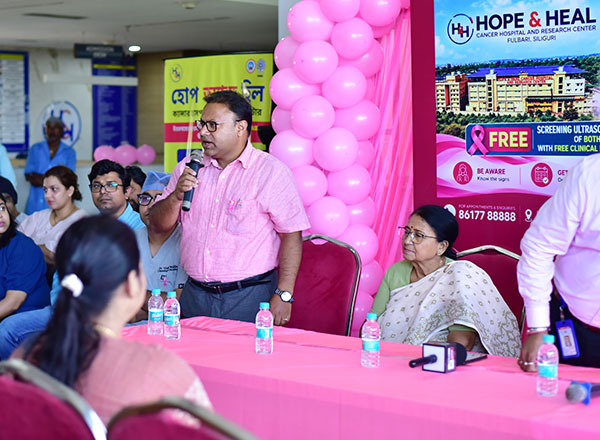
Breast Cancer Awareness Month has developed over several decades, moving from public conversations about the disease to a global effort focused on early detection, treatment, and patient support. Here is a timeline of the history of Breast Cancer Awareness Month –
First Lady Betty Ford brought breast cancer into public conversation after she underwent a mastectomy. Her openness and courage helped challenge the stigma and silence around breast cancer. It also encouraged wider discussion about diagnosis and treatment.
The American Cancer Society and Imperial Chemical Industries helped establish the first Breast Cancer Awareness Month campaign in the United States in 1985. The initiative promoted breast cancer education and encouraged women to learn about early detection.
The pink ribbon became a widely recognised symbol of breast cancer awareness in 1992. Campaigns associated with SELF magazine and Estée Lauder helped popularize it, thus making the ribbon a visible sign of awareness and support.
The WHO established the Global Breast Cancer Initiative to improve early detection, reduce delays in diagnosis, and strengthen access to comprehensive breast cancer management. It also set a global goal of reducing breast cancer mortality by 2.5% each year through 2040.
This year’s WHO theme is “every story is unique, every journey matters,” thereby putting individual experiences and equitable access to care at the centre of the campaign. The focus is on turning awareness into action through early detection, timely diagnosis, quality treatment, and ongoing support.
7:00 AM · starts at the hospital main gate. 3 km family walk followed by free clinical breast exams.
10:00 AM–5:00 PM · Women’s Breast Clinic. Clinical exams and mammography at camp rates.
11:00 AM · Hospital auditorium. Hands-on training with breast models.
4:00 PM · Hospital garden. Survivors, families, and caregivers come together over tea.
6:30 PM · Main lawn. A candle-lighting to close Pink October and honour every fighter.
Recognising changes in your breasts is an important part of breast health awareness. Breast cancer does not always cause noticeable symptoms in its early stages, which is why appropriate screening and timely medical evaluation matter. Possible warning signs include the following –
A new lump in the breast or underarm, even if it is painless. Many lumps are benign, but their cause should be checked by a healthcare professional.
Noticeable swelling, unexplained changes in breast shape, skin dimpling, redness, or thickening may need further evaluation.
A newly inverted nipple, persistent changes around the nipple, or unusual nipple discharge should be discussed with a healthcare professional.
A new lump or swelling in the underarm or near the collarbone can have several causes. However, if it's unexplained, it should be medically assessed.
Breast cancer can develop in people with different medical histories and lifestyles. Understanding risk factors in this breast cancer awareness month 2026 can help individuals discuss their personal risk with a healthcare professional. However, having a risk factor does not mean someone will definitely develop breast cancer, and many people diagnosed with the disease have no known family history.
Age – the risk of breast cancer generally increases with age.
Family History – having close relatives with breast cancer may increase personal risk.
Inherited gene changes – certain inherited changes involving BRCA1 and BRCA2 can increase risk. [ BRCA1 and BRCA2 genes are tumour suppressor genes that normally help repair damaged DNA and prevent uncontrolled cell growth]
Personal medical history – a previous breast cancer diagnosis or certain breast conditions may affect future risk.
Reproductive and hormonal history – factors such as timing of menstruation and menopause can influence risk.
Previous radiation exposure –radiation treatment involving the chest, particularly at a younger age, may increase risk.
Alcohol Consumption – alcohol use is associated with an increased risk of breast cancer.
Physical activity – regular physical activity can contribute to overall health and may help reduce risk.
Body weight after menopause – excess body weight after menopause is associated with higher breast cancer risk.
Tobacco exposure – tobacco use has several health risks and may contribute to breast cancer risk.
At Hope and Heal, a 36-year-old patient survived breast cancer due to timely screening, diagnosis, and treatment. As soon as the patient felt a lump in her chest, she did not delay the consultation. Instead, she came to Hope and Heal Hospital and received the right treatment at the right time.
If you want to check out her journey, you may click here –
Breast Cancer Awareness Month is an opportunity for individuals, families, workplaces, and healthcare organizations to make a meaningful contribution. Small, practical actions can help spread accurate information and encourage people to seek appropriate care.
Share reliable information – use trusted medical sources to explain symptoms, risk factors, and screening options
Encourage timely evaluation – remind people not to ignore new or unusual breast changes.
Start supportive conversations – discuss breast health respectfully and help reduce the stigma surrounding cancer.
Support patients and caregivers – offer practical help, listen without judgement, and respect individual preferences.
Promote informed screening – encourage people to discuss screening schedules that are suitable with a qualified healthcare professional.
Participate in awareness activities – share educational resources, attend community programmes, or support those organisations working in breast cancer care that are credible.
Breast Cancer Awareness Month is observed every October to raise awareness about breast cancer, promote early detection, encourage appropriate screening, and support people affected by the disease. It also highlights the importance of timely diagnosis and access to suitable treatment.
October is chosen as the month to make the public aware of breast health, breast cancer symptoms, risk factors, and available care options. This is because a particular month helps gather media attention, fundraising, and more. The campaign encourages people to take breast changes seriously and discuss check-ups with qualified healthcare professionals.
The WHO’s 2026 breast cancer awareness campaign theme is “Every story is unique, every journey matters”. It highlights the individual experiences of people affected by breast cancer and the importance of timely diagnosis, appropriate treatment, and supportive care.
Possible warning signs of breast cancer include a new breast lump or underarm lump, changes in breast shape or size, skin dimpling, nipple inversion, unusual nipple discharge, and persistent changes in the breast. These symptoms can have noncancerous causes, but any new or unexplained change should be evaluated by a healthcare professional.
Yes, breast cancer can develop in people who have no known family history of the disease. Although inherited gene changes and family history can increase risk, age and other factors can also contribute. The absence of a family history does not eliminate the possibility of breast cancer.
Yes, although breast cancer is much more common in women, men can also develop it. A new lump in the chest or breast area, nipple changes, or unusual nipple discharge should be assessed by a healthcare professional.
No, finding a breast lump does not always mean you have breast cancer. Some lumps are caused by non-cancerous conditions, such as cysts (fluid-filled sacs) or fibroadenomas(solid lumps made of breast tissue and connective tissue). Hormonal changes can also cause a lump to appear in the breast. However, you cannot tell whether a lump is cancerous just by touching it. A doctor may examine the breast and recommend further tests such as imaging tests or a biopsy to find out whether the lump is cancerous or non-cancerous.
Advanced Radiotherapy in North Bengal
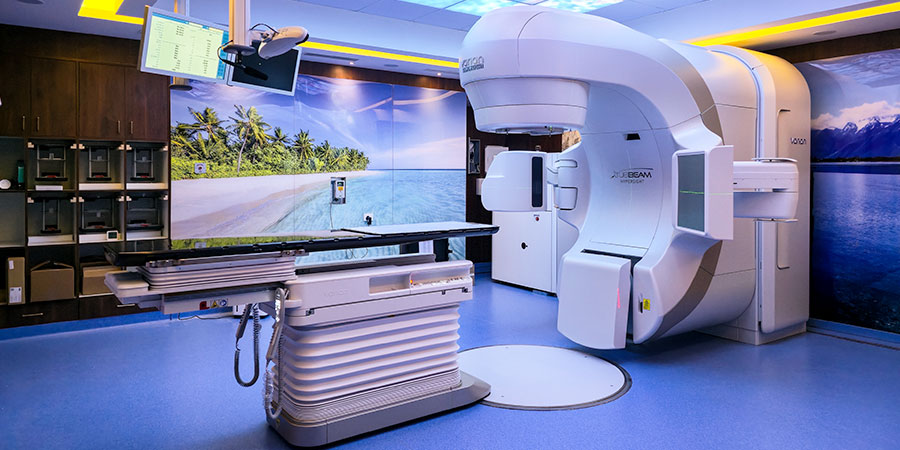
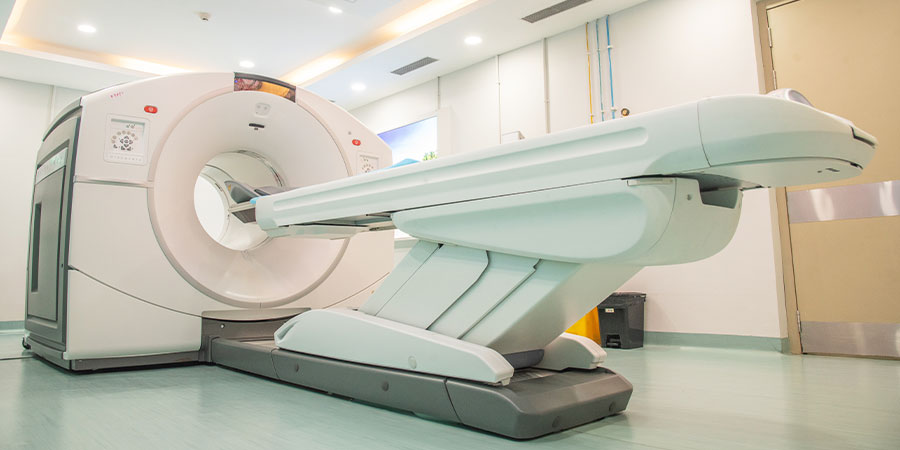
Best Radiology Machine in North Bengal
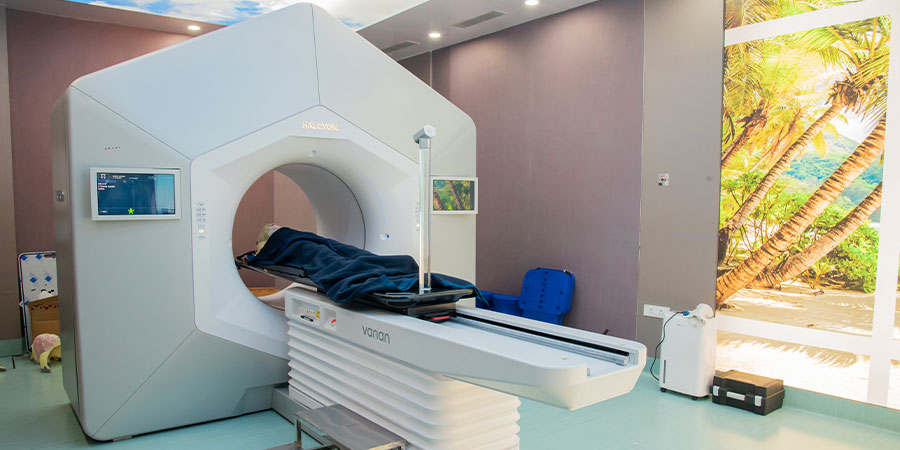
GE Three Ring Machine
 Important Links




Copyrights © 2026, Hope & Heal Cancer Hospital and Research Center.

Submit your details and we will contact you.

Let's Pledge To Fight Cancer
Submit your details and we will contact you.
Let's Pledge To Fight Cancer
This Pink October, know the signs, understand your risk, and don't ignore changes in your breast health.
Try Self-exam Screening