



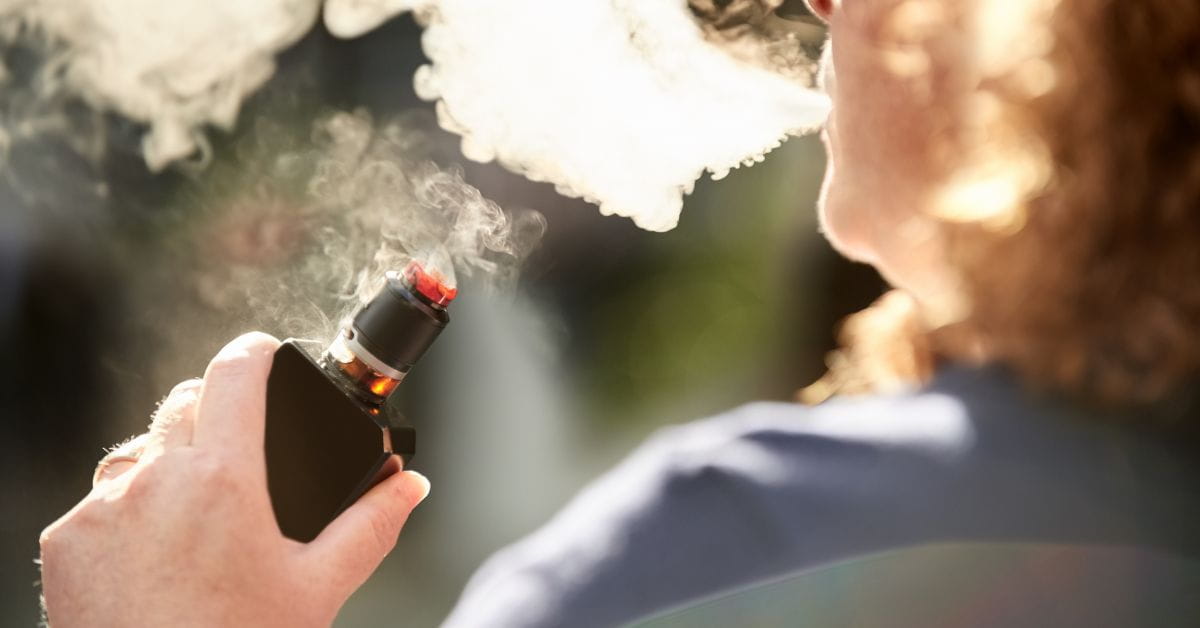
It is the process of inhaling a mist or vapor into your lungs via a portable electronic device. Vaping is one of the reasons for lung inflammation, causing permanent tissue damage. This practice increases the likelihood of asthma, chronic bronchitis, addiction, breathing problems, et al.
E-cigarettes are widely popular since they are promoted as a safer option than regular cigarettes. Growing scientific data, however, indicates that vaping is not safe at all, and its impact on lung health is one of the main worries.
Trusted lung cancer treatment in Siliguri or elsewhere in the country focuses on the stage, location, general health of the patient, and also the patient's preference. Over time, lung complications might lead to cancer, and early diagnosis becomes crucial.
What You Need to Know
If you want to know the answer to the question What does vaping do to the lungs? The answer is more complicated. You must know that vaping releases risky chemicals into the respiratory system. And, these chemicals can cause inflammation, irritation, and potentially dangerous lung diseases.
But these may expose users to less harmful substances than traditional smoking (as marketed). Inhaling an aerosol created by an electronic cigarette (e-cigarette) or comparable device is what vaping is. These devices heat a liquid, also referred to as vape juice or e-liquid, which typically contains:
- Nicotine
- Chemicals used for flavoring
- Glycol propylene
- Vegetable glycerin
- Different chemicals and additions
You should know that E-cigarettes don't burn tobacco as traditional cigarettes do. But the aerosol they create is more than simply water vapor. It contains chemicals and microscopic particles, and they can be deeply inhaled into the lungs and can damage your lung tissue.
How Do Healthy Lungs Work?
A considerable number of microscopic air sacs called alveoli are in your lungs. These structures remove carbon dioxide from the body while allowing oxygen to enter your bloodstream.
Now, cilia, which resemble small hairs that border your airways, and they help capture and eliminate mucus and risky particles. This supports effective breathing and prevents infections. But harmful substances play havoc with this delicate mechanism of the respiratory system.
What Effects Does Vaping Have on Your Lungs?
Vaping can have a variety of effects on your respiratory system/ lungs, from mild or temporary discomfort to potentially serious and chronic respiratory disorders.
Causes Airway Inflammation
Inflammation of the airways and lung tissue is usually the first consequence of vaping practice. Aerosol from e-cigarettes contains chemicals that can irritate the respiratory system, leading to inflammation.
Lung inflammation symptoms could include:
- Coughing all the time
- Wheezing
- Discomfort/ pain in the chest
- Breathlessness
- An increase in mucus production
Chronic inflammation can eventually lead to long-term respiratory issues.
Harms the Lungs' Natural Defense Mechanism
Your airways' cilia are vital, as they remove debris, bacteria, mucus, et al from your lungs. According to research, vaping may make these protective structures less effective in the body.
When cilia lose their effectiveness:
- Mucus builds up more readily
- Viruses and bacteria are not effectively eliminated
- Respiratory infections become more likely
Vapers may be more vulnerable to diseases like pneumonia and bronchitis due to this compromised immune system.
Exposes Lungs to Risky Substances
Vaping products come in a variety of forms, but many of them include chemicals that could be extremely harmful to lung health.
The following substances may be hazardous when present in e-cigarette aerosol:
- Formaldehyde
- Acetaldehyde
- Acrolein
- Heavy metals include tin, nickel, and lead
- Volatile organic substances
These can irritate and harm lung tissue.
Could Trigger Asthma Symptoms
Vaping may exacerbate asthmatic symptoms, which may include:
- Boost the sensitivity of the airways
- Set off an asthma attack
- Exacerbate breathing problems
- Lower lung function overall
Even those without a history of asthma may experience respiratory symptoms linked to inflammation of the airways.
Lowers Lung Function
As per recent research, frequent vaping may have a detrimental effect on lung function and general health, and possible consequences can be:
- Low airflow
- Breathlessness making it difficult to exercise
- Increased respiratory symptoms when exercising
Various studies state that long-term exposure to vaping aerosols may eventually compromise normal lung function; however, we need more studies on this fact.
What Is EVALI? – Overview
EVALI/ E-cigarette or Vaping Product Use-Associated Lung Injury is one of the most dangerous health concerns linked to vaping. This has been discovered in recent years.
Vaping products, especially those that contain THC and specific chemicals, have been associated with EVALI. It’s a severe inflammatory lung illness, and symptoms include:
- Coughing
- Pain in the chest
- Breathlessness
- Chills and fever
- Vomiting and nausea
- Weariness
- Breathing quickly
Here, hospitalization, critical care, and possibly death are possible outcomes of severe EVALI.
Is "Popcorn Lung" Caused by Vaping?
The phrase "popcorn lung" describes bronchiolitis obliterans; it is an uncommon illness that damages the lungs' tiny airways.The discovery that certain flavored e-cigarettes included diacetyl, a chemical linked to popcorn lung in manufacturing workers. Those who are exposed to high concentrations of the material raised concerns.
Popcorn lung symptoms include:
- Chronic coughing
- Wheezing
- Breathlessness
- Fatigue during exercising
Healthcare professionals are nevertheless concerned about the presence of potentially hazardous flavoring compounds. But there is a lack of direct proof connecting vaping to large occurrences of popcorn lung.
Is the Risk of Lung Infections Increased by Vaping?
Yes, and vaping may make you more susceptible to respiratory infections.
Research indicates that vaping may:
- Weaken the lungs' immunological reactions
- Modify the equilibrium of typical lung bacteria
- Boost the level of inflammation
- Lower immune cells' capacity to combat infections
Vapers may therefore be more susceptible to respiratory system infections.
Is It Safer to Vape Than Smoke?
Many people switch to vaping because they think it's totally harmless, but it is not. We have to understand that vaping is not risk-free, even if some agree that e-cigarettes may expose consumers to fewer harmful compounds than traditional cigarettes.
Users of traditional cigarettes are exposed to thousands of dangerous compounds created when tobacco is burned. Although vaping removes combustion, it still introduces chemicals that might cause permanent/ irreversible damage lung tissue.
A few things to keep in mind:
- Vaping is not safe
- Research on long-term health impacts is currently ongoing
- Young people in particular who do not smoke should keep from beginning to vape
People who want to stop smoking should talk to medical professionals about evidence-based cessation techniques; you can talk to a pulmonologist as well.
What Effects Does Nicotine Have on Your Lung Health?
Did you know that nicotine is a highly addictive substance found in many e-cigarettes? Nicotine can still have detrimental consequences:
- Encourages addiction
- Raises blood pressure and heart rate
- Could exacerbate inflammation
- Can have an impact on teenage lung development
And, nicotine exposure may disrupt normal brain development, making young people more vulnerable.
When You Stop Vaping, Can Your Lungs Recover?
Many people observe health improvements after quitting vaping, like:
- Decreased coughing
- Breathing more easily
- Increased tolerance to exercise
- Reduced formation of mucus
Several factors determine how much recovery occurs:
- The length of time spent vaping
- Regularity of usage
- The existence of underlying lung diseases
- The extent of any lung damage that is present
Signs & Symptoms That You Need to Get Medical Help
Seek immediate medical attention if you vape and encounter any of the following symptoms:
- Chest discomfort that never goes away
- Breathing difficulties
- Excessive coughing
- Wheezing that gets worse over time
- Fever with respiratory symptoms
- Unexpected exhaustion and dyspnea
Early assessment can help spot possible issues before lung issues worsen. Severe lung damage can need continuous medical support, although mild inflammation might get better with time.
Advice from the top lung cancer specialists in Siliguri or pulmonologists can be of great help.
Advice on How to Stop Vaping – A Few Vital Points
Several steps could be useful if you're thinking about giving up vaping:
Decide on a Quit Date
First, you need to decide on a reasonable date and psychologically get ready for the change (you can get medical advice on this).
Determine the Triggers
You need to identify the situations, feelings, or surroundings that promote vaping.
Seek Expert Assistance
Healthcare professionals can suggest suitable therapies and strategies for quitting.
Use Behavioral Techniques
Then, you can try substituting healthier activities like exercise, hobbies, or relaxation methods for your vaping habits.
Final Words
Based on available data, vaping can raise the risk of respiratory issues, create inflammation, weaken the lungs' natural defenses, and expose users to potentially risky chemicals.
Wise to consult a healthcare provider, who can help you make well-informed decisions. This is regarding your health and well-being if you currently vape and are worried about its effects.
For further complications, care, or lung cancer treatment in Siliguri, you might visit Hope & Heal Cancer Hospital and consult the experts.
