



You might be wondering if you were told to get an MRI after discovering a lump, having ongoing symptoms, or getting an unusual test result: Can an MRI diagnose cancer?
The fact is, an MRI for cancer is an effective test that can identify and assess a variety of malignancies. But it typically cannot determine if a tumour is malignant/ cancerous on its own. Magnetic resonance imaging generates very precise images of soft tissues, enabling clinicians to discover anomalies and measure tumours. A top oncology centre in Siliguri like Hope & Heal can guide a cancer patient with this.
Also, this helps check surrounding structures and assess whether cancer may have spread. When clinicians require a more detailed image of soft tissue than certain other imaging procedures can offer, MRI is especially helpful. However, the suitable scan depends on the suspected cancer, signs, previous test findings, and the person's general clinical status.
How Does an MRI Detect Cancer?
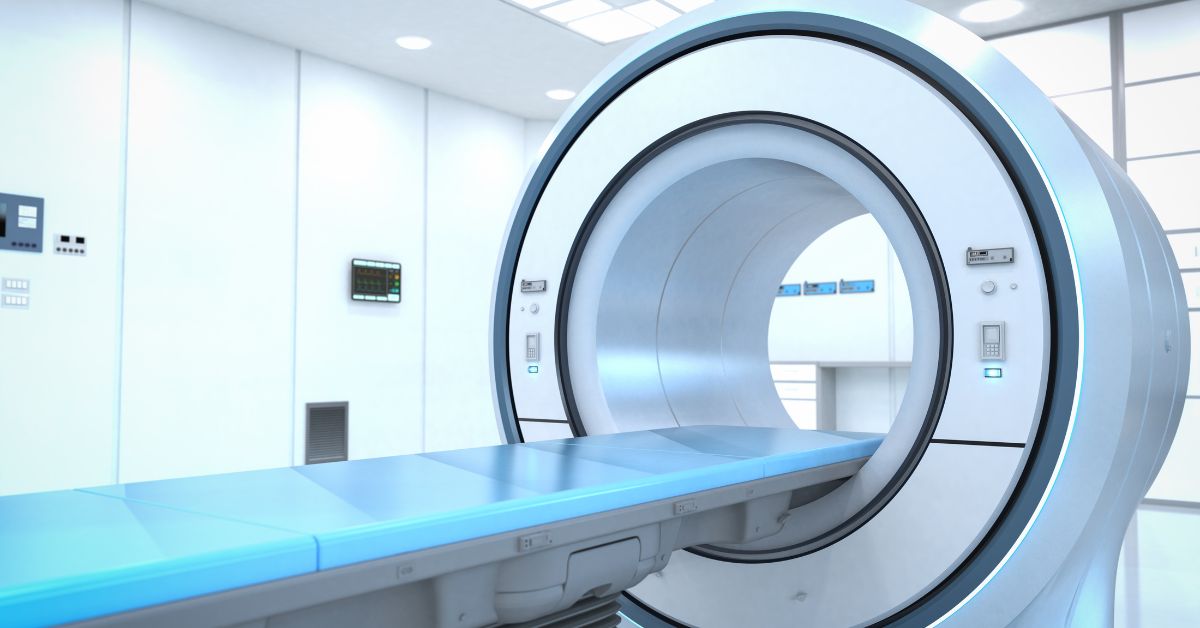
MRI creates finely detailed cross-sectional images of the body using radio waves and a powerful magnetic field. And, ionizing radiation is not used in MRIs, in contrast to CT scans and X-rays.
Cancer can change a tissue's natural structure, and these alterations could show up on an MRI. These can appear as an anomalous mass, lesion, or region of changed tissue properties.
The tumour's size, shape, location, tissue properties, and relationship to surrounding organs or blood vessels are among the features that radiologists examine in the images.
Thus, MRI can help provide answers to crucial questions:
- Is there an unusual lesion or mass?
- What location is it?
- What is its size?
- Has it impacted tissues in the vicinity?
- Is it a sign of cancer or does it pinpoint something else?
- Has known cancer spread or come back?
An abnormal MRI does not automatically pinpoint malignancy. Findings that appear suspicious can occasionally result from benign tumors, inflammation, infection, scar tissue, and other disorders.
Which Cancers Can MRI Help Detect or Evaluate?
MRI is not equally beneficial for every type of cancer. Contrast is especially essential, soft tissue contrast, soft tissue contrast. Based on the following, MRI may be used to assess the clinical situation:
- Tumours of the brain and spine
An important imaging process for studying the brain and spinal cord is magnetic resonance imaging (MRI). Further details regarding specific tumours and their connections to surrounding structures may be obtained by contrast-enhanced MRI.
- Breast cancer
Detailed images of breast tissue can be obtained by breast MRI. It might be advised for certain patients, such as those who are more likely to develop breast cancer or when additional assessment is necessary due to other results from breast imaging.
- Prostate cancer
Multiparametric MRI can aid in risk assessment, biopsy planning, and the identification of questionable regions within the prostate.
- Liver cancer
Certain liver lesions can be described by MRI, which may also help differentiate between benign and potentially malignant changes.
- Rectal and pelvic cancers
Treatment planning may benefit from the thorough information that MRI may provide regarding the extent of the local tumor and nearby tissues.
MRI can also be effective in assessing malignancies of the cervix, uterus, soft tissues, bones, and other body regions.
When Is an MRI Recommended for Cancer?
Common circumstances include:
- An abnormal discovery on another test: An MRI may offer more details if an ultrasound, mammography, CT scan, or physical examination reveals a region that requires more investigation.
- Cancer that is known or suspected: MRI can assist in determining the size and local extent of the tumor, as well as provide information required for treatment planning and staging.
- Known or suspected cancer: An MRI can help assess the size and local extent of the tumor, as well as provide information for staging and therapy planning.
- Monitoring following treatment: In some malignancies, follow-up MRI may be used to look for recurrence or analyse changes throughout treatment.
- Biopsy planning: In some cases, MRI for cancer can assist clinicians in determining the best location for tissue sampling.
Can Cancer Be Confirmed by MRI?
Basically no. Though imaging cannot directly inspect individual cancer cells, it can reveal abnormalities that are very suggestive of cancer/ malignancy. In many circumstances, a biopsy is required to establish a biopsy is necessary to establish a biopsy.
A medical practitioner takes a sample of tissue or cells during a biopsy. To ascertain whether cancer is present and, if so, what kind of cancer it is, a pathologist looks at the sample under a microscope and may run additional tests.
MRI for cancerdisplays the appearance of the tissue, while a biopsy analyses the tissue. Doctors may combine MRI data with symptoms, physical examination, laboratory tests, other imaging investigations, and pathology reports before reaching a diagnosis.
MRI With Contrast - Why Important?
A contrast agent, usually an intravenous gadolinium-based contrast agent, is used in certain cancer-related MRI exams. Certain tissues and anomalies may be simpler to identify with contrast.
Contrast MRI can be especially beneficial for specific tests, including areas such as the brain, liver, breast, and other soft tissues.
Nonetheless, contrast is not necessary for every MRI. Inform your medical staff about any renal/ kidney issues, contrast agent reactions, pregnancy, or any pertinent medical concerns before getting contrast.
MRI vs. CT for Cancer
First of all, CT and MRI cannot be used interchangeably, and each possesses unique strengths.
MRI: Does not use ionizing radiation and offers superior soft-tissue contrast. It can be especially useful for the brain, spinal cord, pelvis, prostate, breast, and other soft tissues.
CT: Uses X-rays and is usually quick and very helpful for assessing the belly, lungs, bones, and many crises. Additionally, CT can play a significant role in cancer.
Therefore, the decision should not rely on which scan is "better." The examination that is most appropriate for the suspected cancer, anatomical location, urgency, and information required is chosen and advised by doctors.
How Should You Prepare for an MRI?
Preparation varies changes according to the kind of the type of the type of MRI.
You might be required to:
- Take off watches, jewelry, and other metal items
- Change into proper attire
- Inform the medical team about medical imaging medical imaging medical imaging
- If necessary, adhere to the fasting guidelines
- Talk about contrast reactions
Inform your healthcare providers that you are experiencing claustrophobia or anxiety.
Is MRI Safe?
Before entering the scanning area, always let the MRI crew know if you have any pacemakers, implanted defibrillators, cochlear implants, aneurysm clips, metal fragments, surgical implants, or other devices.
Even though gadolinium-based contrast agents are usually well tolerated, those with severe kidney disease should be given extra caution. Your contrast can determine whether the contrast is adequate.
What Are the Limitations of MRI for Cancer?
A scan may detect something that turns out to be benign, overlook a very slight abnormality, or produce an inconclusive finding. Movement, the particular method used, and the location and biological features of a lesion may have an impact on MRI.
A normal MRI cannot ensure that cancer is absent in every case.
What Happens If an MRI Shows a Suspicious Tumor?
The MRI report determines the next treatment if it detects a suspicious tumor. Your doctor might suggest a biopsy, laboratory testing, short-term imaging follow-up, more imaging, or a referral to a specialist.
Further tests may take place as advised by the doctor to detect the cancer's stage, if it is confirmed. When a thorough soft-tissue evaluation is required, MRI can provide important insights.
Final Words
Yes, numerous tumors can be identified and assessed using MRI. An MRI scan for cancer diagnosis can also give extremely precise information about the tumors' size, location, and potential spread.
However, evaluation is often not the only part of a diagnosis or assessment. A biopsy is what a doctor generally advises to prove malignancy. Here, CT, PET, ultrasound, mammography, blood tests, and other investigations may also have vital roles in comprehensive diagnosis.
For all-inclusive cancer diagnosis and effective treatment, reach out to Hope & Heal Cancer Hospital, serving complete patient-centric medical care for optimal healing.
FAQs
1. Can MRI scans detect cancer early?
MRI is not the only early cancer screening test, but it can identify some malignancies.
2. Does an MRI indicate that a tumor is malignant/ cancerous?
No, a biopsy is usually required for confirmation.
3. Is CT safer?
Whereas CT uses X-rays, MRI does not use ionizing radiation; both have specific medical purposes.
4. Can an MRI reveal whether cancer has spread?
It can help identify cancer staging and spread.
5. Is contrast always required for cancer MRIs?
No, the use of contrast MRI in cancer diagnosis depends on the examination and clinical question.