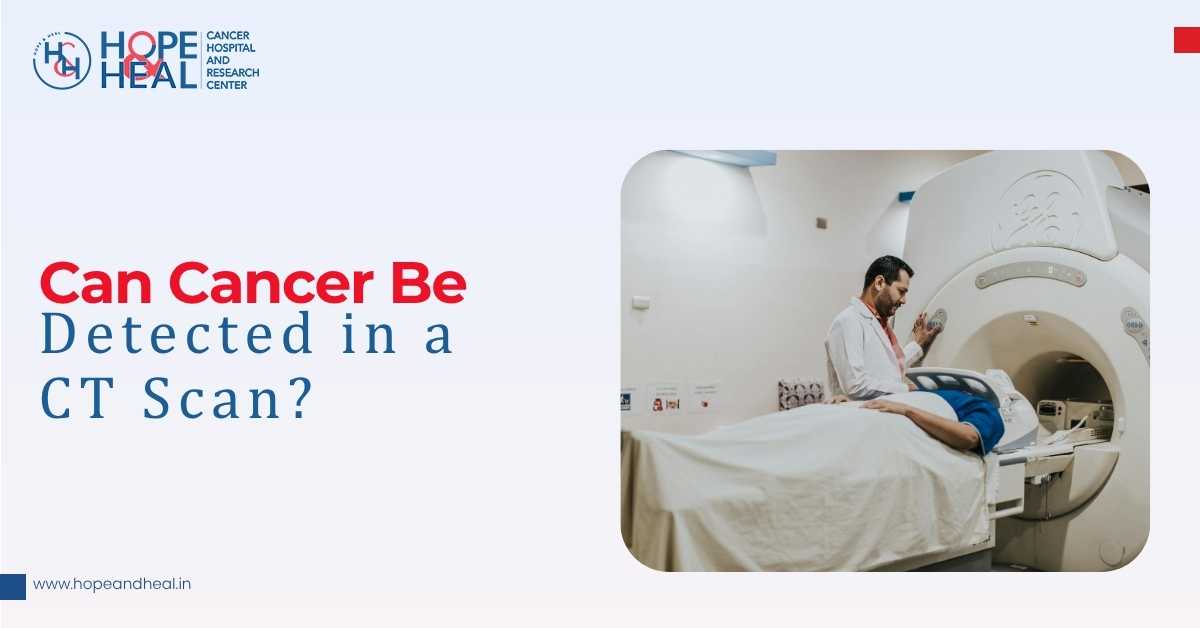




If you have been asked to get a CT scan for cancer, you may be wondering whether a CT scan can tell us about cancer or if you might need more tests. CT scanning is an important procedure, helping to locate suspicious growths, see how big a tumor is, and find out whether cancer may have spread to other areas; however, it does not guarantee that an abnormal area is cancerous.
Knowing what a CT scan can and cannot tell you about cancer can help you know what to expect.
What is a CT scan?
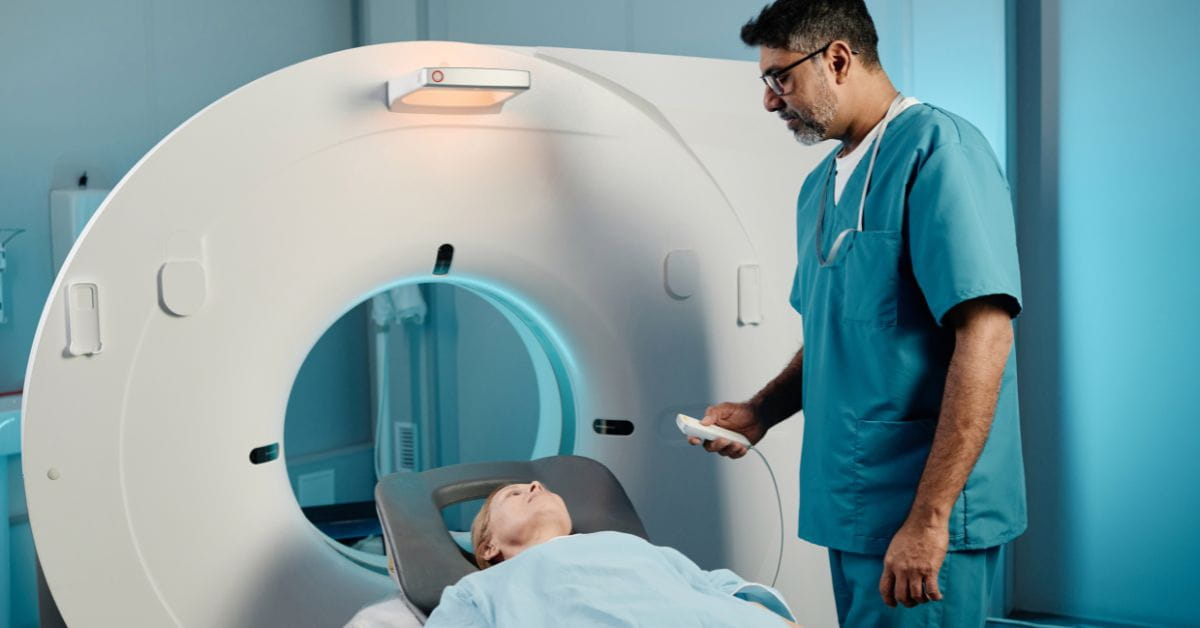
A computer tomography (CT) scan uses X-rays and computer technology to produce cross-sectional images of the body that can be viewed in three dimensions.
The American Cancer Society and National Cancer Institute- computed tomography highlights that CT scans have several uses in cancer diagnosis, including aiding the diagnosis of tumors, assessing the stage of cancer, assisting biopsies, supporting treatment planning, and determining whether cancer has returned.
CT scan for cancer detection and diagnosis:
CT scans detect abnormal areas or tumors that may be cancerous, although they can provide details about the location, size, and appearance of an abnormal growth. For example, CT scans have been used extensively to look at the chest, abdomen, and pelvis. Radiologyinfo highlights that CT scan can be particularly useful for detecting cancers involving areas such as the lung, liver, kidney, pancreas, and lymphoma.
However, seeing a suspicious mass on a CT scan does not automatically mean that the mass is cancer, as there are causes for abnormalities such as infections, inflammation, cysts, benign tumors, etc. This is why doctors consider CT findings together with symptoms, medical history, and other investigations.
CT scan findings in tumor detection:
A CT scan can give us several useful pieces of information about a suspected tumor.
Abnormal growth location:CT images can help to determine where an abnormal mass is and its involvement with organs and tissues.
Tumour size:CT images can help to determine where an abnormal mass is and its involvement with organs and tissues.
Possible spread of cancer: CT images can help doctors look for signs that a cancer may have spread to lymph nodes and other parts of the body. This can help to stage cancer.
Relationship with nearby structures:A CT scan can show the relationship between a tumor and surrounding organs, blood vessels, and other tissues.
Treatment response: CT scans may also be performed after treatment to determine whether a tumor has changed in size or whether there are other signs of disease activity.
The NCI sites list cancer screening, tumor detection, staging, biopsy, treatment, monitoring, and recurrence detection as the uses of CT in cancer care.
CT scan and cancer confirmation:
One of the most important things to know about a CT scan for cancer is that an imaging result and a confirmed cancer diagnosis are not the same thing. There is no single test that can diagnose every cancer, and doctors may use a combination of laboratory tests, imaging, and other procedures to determine whether cancer cells are actually present.
A CT scan may therefore identify an area that looks suspicious, as a doctor may recommend further testing before confirming the diagnosis depending on the suspected cancer; additional investigations may include:
- Biopsy
- MRI
- PET or PET- CT
- Ultrasound
- Endoscopy
- Blood tests
- Other specialised imaging examinations
The specific tests required depend on the suspected cancer, its location and the patient's individual circumstances.
Contrast materials commonly used for CT scans:
For some CT scans, a contrast agent may be given shortly before or during the procedure to improve the visibility of particular organs, blood vessels, and areas that appear abnormal on the scan.
Contrast may be swallowed depending on the type of examination and the area being investigated. The contrast materials can make CT images easier to interpret by highlighting particular areas of the body.
Before contrast is administered, the healthcare team may ask about allergies, kidney problems, medications, and other medical conditions.
Types of cancer that can be identified through a CT scan:
CT scan is useful for examining many areas of the body, but its usefulness varies depending on the type and location of cancer.
For example, a chest CT scan identifies lung nodules and other abnormalities in the lungs. Radiological notes that chest CT scans detect very small lung nodules, and they're particularly useful in evaluating lung cancer.
CT may also be used when doctors are evaluating suspected cancers involving the:
- Lungs
- Liver
- Kidneys
- Pancreas
- Colon and rectum
- Lymph nodes
- Brain and head
- Other organs and tissues.
The appropriate imaging test depends on the symptoms and suspected condition. A CT scan is not automatically the correct test for every type of cancer.
Detect cancer at an early stage by CT scan:
In some situations, CT can detect cancer or suspicious abnormalities at an early stage. However, this depends on the type of cancer, the size and location of the abnormality, the imaging technique used, and the reason for performing the scan.
For example, certain CT-based screening programmes are used for specific groups at increased risk of particular cancers. CT scans can also reveal small or unusual findings that may need further medical assessment.
It is important to distinguish screening from diagnostic testing. A CT scan performed because someone has symptoms is different from a CT examination performed as part of an established screening programme.
The whole-body CT scan is not recommended as a general screening method for healthy people without symptoms because abnormal findings can lead to unnecessary follow-up tests and additional radiation exposure.
What happens after an abnormal CT scan?
An abnormal CT scan result does not necessarily mean that you have cancer. The radiologist examines the images and prepares a report for the doctor who requested the examination. Depending on the findings, the doctor may recommend monitoring, another imaging test, laboratory investigations, or a biopsy. The NHS explains that CT scans may be used to investigate symptoms that could be caused by conditions such as cancer and can also help doctors monitor the size of a tumor during or after treatment.
CT scan vs Biopsy for cancer diagnosis:
A CT scan provides us with detailed images of structures inside the body and can identify an abnormality that may need investigation. A biopsy involves obtaining a tissue or cell sample to be examined under a microscope.
Therefore, these tests should not be seen as competing alternatives. In many situations, imaging helps doctors determine where an abnormality is located and how extensive it may be, and tissue examination can help establish whether cancer cells are present.
When should you discuss a CT scan with a doctor?
Your doctor may recommend a CT scan when your symptoms, examination findings, or previous test results suggest that detailed imaging could provide us with useful information.
You should discuss the reason for the scan and whether any preparation is necessary. If you are concerned about radiation exposure, allergies, or kidney-related issues, it is best to mention these before the examination. Most importantly, do not interpret a CT scan report without medical context. A finding described as a mass, nodule, or lesion does not automatically mean cancer. Your doctor can explain what the findings mean in relation to your symptoms and other test results.
Final thoughts
A CT scan for cancer can be an important step in detecting suspicious growth, assessing tumors, understanding their location and size, looking for possible spread, and monitoring treatment. However, a CT scan does not always guarantee that an abnormality is cancerous.
When an abnormality is found, a doctor may recommend additional investigations, including a biopsy, before confirming cancer.
If your doctor has recommended a CT scan, discuss the purpose of the examination and what the results might mean for your particular condition. Early detection and follow-up can help you ensure that suspicious findings are assessed properly. For proper guidance, you can reach out to Hope & Heal Cancer Hospital, as they will assist you with a proper medical framework.
FAQS:
1. Can a CT scan detect cancer?
Yes, CT scans are able to detect irregular growths or tumours in various parts of the human body. The CT scan images the tissues, organs, and other parts of the body in great detail. A physician is then able to see the size, shape, and location of a suspicious tissue. Not all suspicious tissues are cancerous; further testing may be required to determine what the abnormal growth consists of.
2. Does a CT scan confirm cancer?
A CT scan does not always confirm cancer, but it does identify suspicious tissues. Based on the result of a CT scan, a physician may recommend additional testing to identify whether a suspicious growth is cancerous or not. A biopsy may be performed to remove a sample of tissue of texting in a laboratory. The physician will then use the results of the CT scan and any additional tests to confirm whether a person has cancer.
3. What can a CT scan show about a tumour?
A CT scan can identify details of a visible tumour. Physicians are able to see the size, shape, and location of a tumour. The CT scan may also identify if there are abnormal lumps in the lymph nodes. This information enables doctors to determine what further procedures may be necessary. CT scans may also be used to see if a tumour is changing over time.
4. Can a CT scan detect cancer that has spread?
CT scans can help physicians identify whether cancer cells have spread from the original tumour. A CT scan can pick up on irregular growths in other parts of the body. Physicians can use CT scans to check other parts of the body if cancer has the potential to spread to those areas.
The CT scan results might not be enough to confirm that an irregular growth is cancer. Further testing will sometimes be necessary to determine whether cancer has spread.
5. Is contrast required for a CT scan for cancer?
Contrast is not necessary for a CT scan for cancer. Doctors may recommend a contrast test if they need to be able to see a distinction between various parts of the body. Oral or intravenous contrast can be used depending on what the physician is trying to view.
The physician will decide whether you are suitable for contrast and will inform you of any preparation necessary.