

The advancements in medical science have led to positive outcomes for life-altering diseases, such as cancer. Many people, while undergoing treatment at a cancer hospital in Siliguri, are surprised to know that nearly one-third of cancer cases are preventable through daily lifestyle changes. Thus, people are becoming curious to learn how they can prevent cancer with lifestyle changes.
The key is to understand the science of nutrition, physical activity, and environmental triggers that can help in reducing the risk of cancer. This blog will shed light on the lifestyle changes that can help you to prevent cancer. By learning about lifestyle changes, you can take control of your long-term health.
.png)
Know How To Prevent Cancer With Lifestyle Changes
Here are the lifestyle changes that help you prevent cancer:
- Quit tobacco in all forms: Tobacco is responsible for 25% of global cancer deaths, which explains the significant impact that it has on cancer cases. Smoking has been linked to at least 15 different types of cancer, including lung, throat, bladder, mouth, and kidney. In addition, chewing tobacco and passive smoking contribute to introducing carcinogens into your bloodstream that damage DNA cells and prevent repairing. Quitting tobacco at any age can prove to be beneficial in terms of improving long-term health and reducing the risk of cancer development. If you are addicted to smoking, seeking professional help can help in quitting this addiction, which in turn can help you prevent cancer.
- Maintain a healthy body weight: According to clinical research and studies, carrying excessive body weight is a major risk factor in terms of at least 13 different types of cancer, including uterine, breast, pancreatic, and colorectal cancers. This is because obesity causes chronic inflammation in the body, which is a major cause of DNA damage. In addition, excessive fat tissue can lead to high levels of estrogen and insulin-like growth factors that can stimulate cell overgrowth. Therefore, managing your body weight based on following a healthy diet and regular exercise is one of the most effective ways to create a biological environment that is less vulnerable to the growth of cancer cells.
- Prioritise a plant-based diet: Reputable Oncologists suggest eating a diet that consists of fruits, vegetables, whole grains, and beans. Such a plant-based diet is one of the major factors for cancer prevention because these foods contain high quantities of phytochemicals and antioxidants that prevent cell damage. In addition, these foods contain high fibre, which helps regulate digestion and, in turn, reduces the risk of colorectal cancer. The suggestion is to fill at least two-thirds of your plate with plant-based foods by including various colours of vegetables and fruits. By focusing on plant-based foods, you can reduce the intake of calories and nutrition-poor foods that lead to inflammation and weight gain.
- Limit intake of processed and red meat: Cancer research has found that processed meats, such as ham, sausages, and bacon, contain Group 1 carcinogens. Moderate consumption of processed meats can lead to an increased risk of colorectal cancer because of the chemicals used in preserving processed meats. On the other hand, red meats, including lamb, beef, and pork, are categorised as “probably carcinogenic”. Therefore, it is highly recommended to limit consumption of red meat and avoid processed meats to the maximum extent. The best way to implement this practice is to include substitutes, such as fish, poultry, and plant-based proteins, so that the risk of cancer is reduced or prevented.
- Perform regular physical activity: Physical activity is one of the most underrated aspects when it comes to cancer prevention. It has been found that regular physical activity helps in lowering cancer risk by strengthening the immune system and improving hormone levels. In addition, regular exercise regulates estrogen and insulin, which are linked to an increased risk of cancer. On the other hand, exercise aids in better digestion, which in turn reduces the duration that a harmful substance stays in the colon. You need to prioritise at least 100-120 minutes of moderate physical activity, such as brisk walking, cycling, and aerobic activities. Lastly, including strength training twice a week can tremendously boost metabolic health, which acts as a robust defence against diseases, including cancer.
- Prioritise sun protection: Skin cancer can be effectively prevented by reducing exposure to ultraviolet radiation. It is highly advisable to limit direct sun exposure between 10 AM and 4 PM. You can wear protective clothing, put on UV-blocking sunglasses, and apply sunscreen with an SPF of 30 or more. In addition, UV rays can penetrate glass and clouds, making it important to wear sun protection even on overcast days. Overall, skin cancer is preventable by implementing effective sun protection measures.
- Reduce alcohol intake: Alcohol is responsible for several types of cancer risks, including colon, breast, liver, and oesophagus. This is because it contains carcinogens and produces acetaldehyde, which is responsible for DNA damage and repair prevention. In addition, alcohol impairs the body’s ability to process and absorb vital nutrients, along with increasing the levels of estrogen in the blood. Some research suggests that moderate consumption of alcohol is fine, while some suggest that no amount of alcohol is safe when it comes to cancer prevention. Therefore, it is highly recommended to reduce or quit alcohol intake as part of cancer prevention measures.
- Prioritise stress management and good sleep: Stress and sleep play a vital role in terms of determining how your body fights off cancer cells. It has been found that chronic stress leads to a tired immune system and promotes inflammation, which makes it harder for the body to detect and destroy abnormal cells. Your body performs DNA repair and regulates hormones during sleep, which makes it important to aim for 8-9 hours of sleep. To improve your sleep duration and reduce stress, it is advisable to practice deep breathing or yoga. This is because such mindfulness techniques can stabilise your internal biology, which also strengthens your immune system.
- Schedule regular screening and check-ups: Early detection is crucial for implementing cancer-prevention lifestyles. Regular screenings for breast, colorectal, and cervical cancers can help identify precancerous stages that can be treated to prevent cancer development. Scheduling regular screenings after the age of 35 is highly recommended for both men and women. Overall, the key is to become proactive regarding your health and consult a doctor immediately when you notice abnormal changes in your body. Developing this habit can be an effective lifestyle change to prevent cancer and ensure long-term health.
Final Thoughts
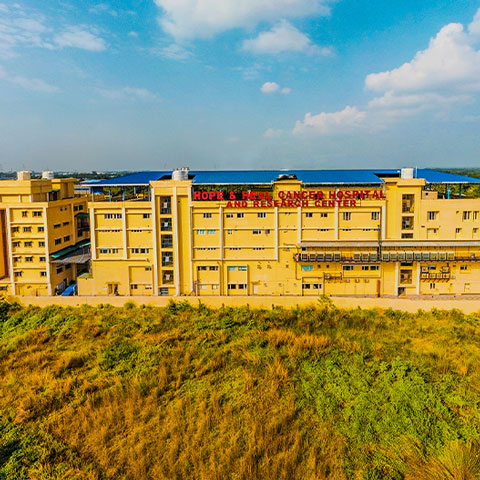
Implementing healthy habits and lifestyle changes is one of the most effective ways to prevent cancer. Despite genetic factors playing a vital role in cancer, positive daily lifestyle choices can create a formidable defence against cancer cells. However, you need to combine lifestyle changes with regular screening at a reputed cancer hospital, such as Hope & Heal Cancer Hospitalor a location of your convenience.
This is because regular screening can help in detecting precancerous stages, which in turn can be treated to prevent cancer. Book your screening at the best cancer hospital near you now and stay ahead of potential cancer risks.
