




Though cancer has become a common health concern, many people are still unaware of how cancer develops, spreads, and how doctors diagnose it. Understanding these facts about cancer might help people identify warning signs early and make wise health decisions. For cancer treatment in Siliguri or anywhere, a timely, accurate diagnosis is essential.
To put it simply, this disease arises when the body's cells start to grow out of control. These uncontrollable cells have the ability to interfere with neighboring tissues and occasionally spread to other organs. Modern medical testing has come a long way, boosting the likelihood of successful therapy and improving the accuracy of early diagnosis.
Here, this blog tells you about how cancer develops, how it spreads, and the standard diagnostic procedures used by medical experts or oncologists.
Cancer Overview
There are a considerable number of cells in the human body, and the cells typically divide, grow, and perish in a regulated manner. The body uses this process to repair damaged tissues and maintain its health.
When some cells cease following these typical guidelines, this leads to cancer. Damaged cells continue to proliferate rather than dying when they should, and they eventually develop into a mass known as a tumor.
Not every tumor is malignant; you have to understand that, and there are two categories of tumors:
- Benign tumors are non-cancerous tumors, which do not spread.
- Malignant tumors are cancerous and have the ability to spread to other areas of the body by invading adjacent tissues.
Nearly any part of the body, including the lungs, liver, breast, skin, blood, prostate, colon, and brain, can acquire cancer.
How Cancer Begins – Let’s Know About the Facts
Genetic mutations, or alterations (changes) in genes, are typically the cause of cancer. As we know, genes regulate the growth, repair, and operation of cells, but cells may start acting strangely when these genes are compromised.
Cell Growth & DNA Mutations/ Changes
DNA serves as your body's instruction handbook and is found inside every cell; it also instructs cells on when to multiply, divide, and die.Rarely, cells can sustain damage from both internal and external sources; however, not always.
Over time, mutations may accumulate if the body is unable to repair this damage, and cancer may potentially result from these mutations.
Common Reasons for DNA damage:
- Tobacco use and smoking
- Overindulgence in alcohol
- Exposure to dangerous substances
- Exposure to radiation
- Infections with viruses
- Obesity and poor nutrition
- Absence of exercise
- Cancer in the family history
- Getting older
Normally, your immune system aids in the destruction of abnormal or damaged cells before they become harmful. However, by evading the immune system or impairing immunological responses, cancer cells might avoid proper detection.
Cancer cells continue to multiply and develop tumours after escaping immune regulation. You might seek guidance from one of the top oncologists in Siliguri City or near you.
Cancer Types
The disease comes in over a hundred different forms, and the body part where they start is typically the source of their names.
Among the main categories are:
Carcinomas
The skin or tissues lining organs are where these tumours begin, and here are some examples:
- Cancer of the breast
- Lung cancer
- Cancer of the prostate
Sarcomas
Now, these start in connective tissues like:
- Bones
- Muscles
- Fat
- Blood vessels
Leukemia
A cancer of blood-forming tissues, especially the bone marrow, is leukemia.
Lymphomas
The lymphatic system is a component of the immune system, impacted by several tumors.
Melanoma
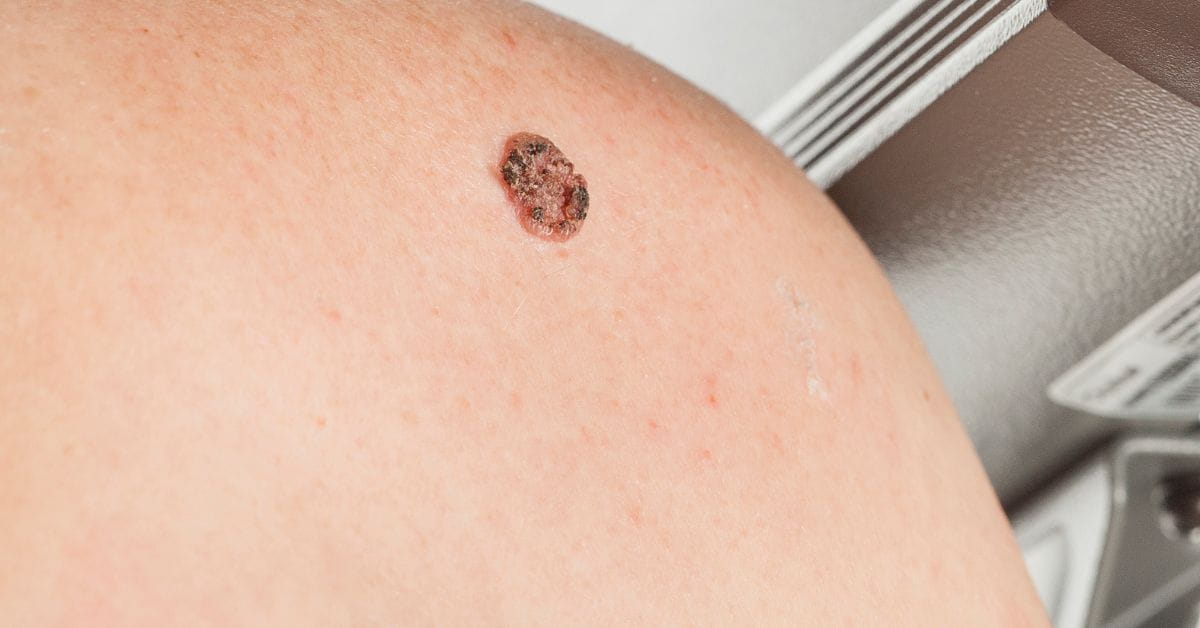
Melanoma is one of the most deadly types of skin cancer, and it begins in skin cells that produce pigment.
Let’s Know How Cancer Spreads
No doubt, the potential for cancer to spread is one of its most risky features, which we refer to as metastasis. Cancer cells have the ability to separate from the initial tumor and move to different areas of the body via the lymphatic or circulatory systems.
Cancer Spread Stages
1. Local Growth
Cancer initially only spreads to the original site (localized cancer), and the tumor's size may gradually grow.
2. Invasion of Nearby Tissue
Cancer cells start to travel up to nearby healthy organs and tissues.
3. Access to the Lymphatic or Blood Systems
Cancer cells can infiltrate lymphatic or blood vessels as well, and they are able to move throughout the body with time.
4. Secondary Tumor Development
Secondary tumors develop when cancer cells settle and start to grow in another organ.
For instance:
- Breast cancer might travel up to the lungs & bones
- The liver may be affected by colon cancer
- Lung cancer has a higher possibility to spread to the brain
The Importance of Early Detection
Treating cancer before it spreads reduces the complexity, but the problem is that many don’t understand the symptoms. Also, certain diseases don’t cause proper symptoms, which is another challenge.
Early-stage cancers can be successfully treated with medication, surgery, and radiation. Cancer treatment becomes more challenging when cancer spreads to distant organs, and for this reason, routine screenings and timely medical care are vital.
Early symptoms can:
- Increase survival rates
- Cut down on the complexity of cancer treatment
- Reduce medical expenses
- Boost the effectiveness of cancer care
Common Symptoms Here That Everyone Should Know
The type and location of cancer determine the symptoms, and in the early stages, some people have no symptoms.
Nonetheless, here are common cancer symptoms/ signs that nobody should overlook:
- Weight loss that is not explained
- Chronic exhaustion
- Persistent discomfort
- Unusual bleeding
- Changes in bowel habits
- Having trouble swallowing
- Persistent coughing
- Skin alterations
- Swelling or lumps
- Continuous fever
We must know that these symptoms may not always indicate cancerous growth, but they should not be overlooked. The reason is that if they persist over an extended period of time, there might be an underlying reason.
Cancer Diagnosis in Simple Words
To accurately diagnose cancer, oncologists/ doctors use several techniques, which help determine:
- Whether there is cancer
- The kind of cancer
- How sophisticated it is
- If it has spread
These are the most popular ways to test for cancer.
Physical Examination
Initially, a physician might conduct a physical examination to look for a few things (physical symptoms), like:
- Skin abnormalities & lumps
- Swelling of the organs
This initial assessment is of great importance and frequently aids in identifying areas that need more investigation.
Blood Tests
Cancer-related symptoms can be detected by blood tests, such as:
- Unusual blood cell numbers
- Tumor indicators
- Issues with organ function
Blood tests are generally used to identify some cancers/ malignancies, such as leukemia. However, cancer diagnosis needs further tests.
Imaging Tests
These tests/ exams produce images of the body's inside, which help oncologists diagnose tumors and assess the spread of cancer.
- X-rays
X-rays are generally used to find anomalies in the lungs & bones.
- CT Scan
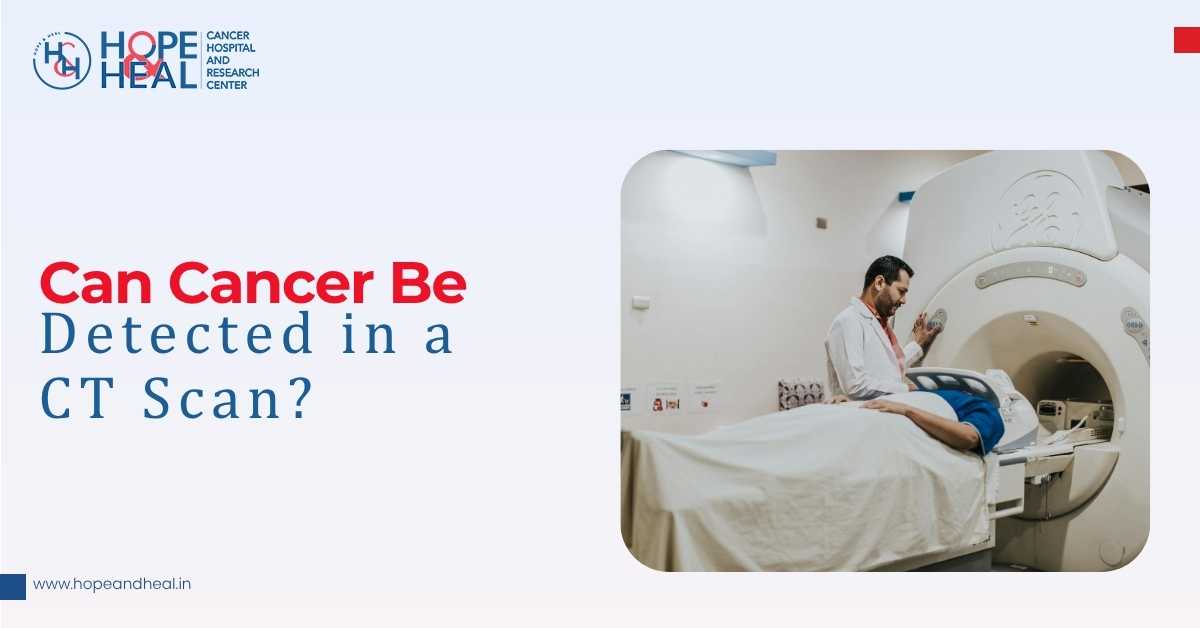
Organs and tissues can be seen in great detail in cross-section with a CT scan.
- MRI
MRI scans are generally helpful for brain & spinal tumors because they produce extremely detailed images using magnetic fields.
- Ultrasound
Sound waves are used in ultrasound to observe soft tissues, including organs.
PET Examination
Active cancer cells can be found all over the body with the use of PET scans.
Biopsy
Often, the only way to confirm malignancy/ cancer is with a biopsy, which takes a tiny sample of tissue from the worrisome location by medical professionals. A pathologist then looks at the sample under a microscope to detect if there are any abnormalities present.
The biopsy helps determine:
- Whether there is cancer
- The kind of cancer
- How aggressive it is
Biopsies come in several forms, and these include:
- Endoscopic biopsy
- Needle biopsy
- Surgical biopsy
Genetic & Molecular Testing
Doctors use this more in modern cancer treatment to examine cancer cells, which helps physicians choose personalised medicines. This is because it helps identify particular mutations or proteins.
Cancer Staging
The extent of cancer's spread is described by staging, and the majority of malignancies have a stage between 0 and 4.
Stage 0
There are abnormal cells, but they haven't spread.
Stage 1
Cancer is limited and tiny (still localized).
Stage 2 & 3
The cancer has become bigger and could spread to neighboring lymph nodes.
Stage 4
Distant lymph nodes and organs have been affected by cancer.
Staging is key to cancer treatment.
Final Words
If we know how cancer begins and spreads, this can support early detection, routine screenings, and prevention. Accurate cancer detection is key to cancer care and management, so if you notice signs, do not ignore them, and if you have a family or personal history, be more attentive to your health.
Get advice on cancer treatment in Siliguri or near you from the top cancer doctors, like at Hope & Heal Cancer Hospital.