


A balanced, healthy diet is invaluable. It may take time, patience, and customized lifestyle choices for cancer patients to recover optimally throughout and stay healthy beyond treatment.
Nutrition is one of the most crucial aspects of cancer recovery. Maintaining energy levels, boosting immunity, rebuilding tissues, and enhancing general quality of life are possible if you have a balanced diet.
Cancer treatment in Siliguri or anywhere also prioritizes nutrition. A healthy diet helps benefit the healing process for anyone who has had surgery, chemotherapy, radiation therapy, immunotherapy, or targeted therapy.
Nutrition in Cancer Recovery – Why Vital?
When the body is under stress throughout cancer treatments, immunity often gets weaker. Chemotherapy targets cells that divide quickly, radiation affects both healthy and malignant cells, and surgery restores damaged tissues. The body needs more nutrients during recuperation to fight infections, heal tissues, and rebuild muscles.
The body is under a lot of stress throughout cancer treatments, and many patients have side effects like:
· Low appetite
· Vomiting and nausea
· Fatigue
· Mouth sores
· Having trouble swallowing
· Taste and smell changes
· Loss of weight
· Loss of muscle
· Diarrhea or constipation
A nutritious diet can be beneficial:
· Accelerate the healing of tissues
· Boost the immune system
· Cut down on weakness
· Keep your weight in check
· Avoid malnutrition
· Boost your muscles' strength
· Promote the health of your digestive system
· Reduce the likelihood of problems from treatment
Besides improving overall immunity, a healthy diet helps patients restore their physical flexibility and self-assurance following cancer treatment.
Pay Attention to High-Protein Foods
Certainly, one of the most crucial nutrients for cancer recovery is protein. It aids in tissue repair, muscle growth, surgical wound healing, and immune system support.
Excellent sources of protein include:
· Eggs
· Fish
· Chicken without skin
· Turkey
· Lean meat
· Greek-style yogurt
· Cottage cheese
· Paneer
· Milk
· Tofu
· Beans
· Lentils
· Chickpeas
· Soy-based goods
· Seeds and nuts
You can try adding protein to smoothies, soups, or oatmeal if you have trouble eating big servings.
Eat a Variety of Colorful Produce Each Day
Outstanding options are:
· Carrots
· Broccoli
· Kale
· Spinach
· Sweet potatoes
· Tomatoes
· Bell peppers
· Apples
· Oranges
· Blueberries
· Strawberries
· Bananas
· Papayas
Variety is essential because different colors offer different nutrients that you must know. Cook vegetables that are hard to eat fresh; cook veggies until they are tender or gently steam-cooked.
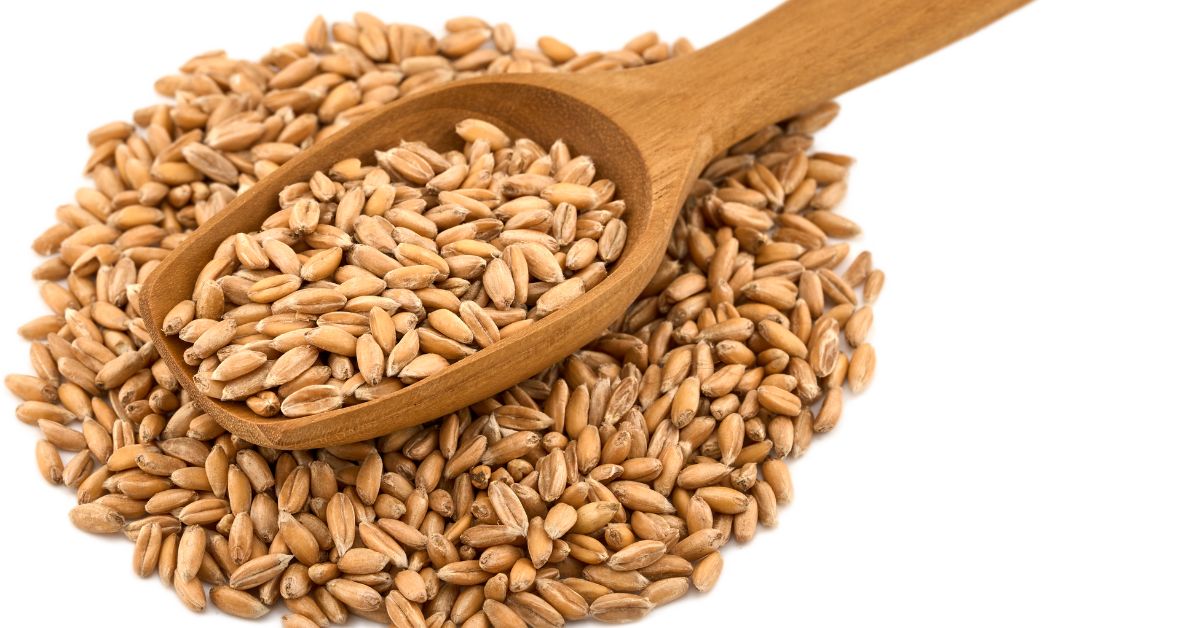
For Long-Lasting Energy, Go for Whole Grains
Complex carbohydrates included in whole grains support sustained energy levels throughout the day.
Among the healthy choices are:
· Brown rice
· Oats
· Whole-wheat bread
· Pasta made with whole wheat
· Millet
· Quinoa
· Barley
· Cereals made of whole grains
Whole grains are higher in fiber, vitamins, and minerals that promote digestive health than refined grains.
Stay Hydrated
Following cancer therapy, dehydration is common, particularly if there is nausea, vomiting, diarrhea, or fever.
Consistently consume fluids throughout the day, such as:
· Water
· Water from coconuts
· Soups that are clear
· Teas made with herbs
· Fresh fruit-infused water
Hydration helps with:
· Digestion
· Kidney function
· Metabolism of medications
· Levels of energy
· Controlling the temperature
Small sips should be taken every 15 to 20 minutes by those who have trouble drinking enough water.
Eat Small, Frequent Meals
During their recuperation, many cancer patients experience appetite loss.
Rather than consuming three substantial meals, you may try to have:
· Five or six smaller meals
· Nutritious snacks in between meals
· Eat light meals every couple of hours
Smaller meals provide steady energy and are frequently easier to digest, and they may also lessen nausea.
Ideas for healthy snacks include:
· Fruit and yogurt
· Whole grain toast with peanut butter
· Boiled eggs
· Cubes of cheese
· Mix of trails
· Vegetables and hummus
· Smoothies
Include Healthy Fats
Did you know that healthy fats aid the body's absorption of fat-soluble vitamins? They also offer concentrated energy.
Excellent resources include of:
· Nuts, avocados, and olive oil
· Almonds
· Walnuts
· Flaxseed
· Chia seeds
· Seeds from pumpkins
Plus, these foods include heart-healthy minerals that promote healing in general.
Boost Your Immunity Organically
The fact is, nutrient-rich meals support a healthy immune system, yet no food can totally stop cancer from coming back.
You should add foods high in:
Vitamin C
· Oranges
· Bell peppers
· Kiwis
· Guavas
· Strawberries
Vitamin A
· Carrots
· Pumpkin
· Sweet potatoes
Vitamin E
· Almonds
· Sunflower seeds
· Spinach
Zinc
· Seeds from pumpkins
· Seafood, beans, and lean meats
Selenium
· Fish
· Eggs
· Whole grains
Manage Side Effects of Cancer Treatment with Diet
Managing residual side effects is a common part of recovery after cancer treatment.
Nausea
You can select:
· Dry crackers
· Toast
· Rice
· Bananas
· Applesauce
· Ginger tea
Keep from:
· Greasy meals
· Strong-smelling foods
· Extremely hot dishes
Mouth Sores
You can consume:
· Yogurt
· Mashed potatoes and smoothies
· Scrambled egg
· Oatmeal
· Soups
Avoid:
· Citrus fruits
· Spicy cuisine
· Crunchy munchies
Diarrhea
You can choose:
· Bananas
· White rice
· Applesauce
· Boiled potatoes
· Plain bread
To avoid dehydration, consume more water or electrolyte-rich fluids.
Do Not Skip Breakfast
After an overnight fast, breakfast gives you energy and keeps your blood sugar levels stable; thus, never skip your breakfast.
Ideas for a healthy breakfast include:
· Berries and oatmeal
· Omelette with vegetables
· Nuts and Greek yogurt
· Avocado on whole grain toast
· Smoothies using protein powder
· Idli with sambar and poha with veggies
A well-balanced breakfast creates a good mood for the remainder of the day.
Eat Fewer Processed Foods
Excessive levels of the following are common in highly processed foods:
· Added sugar
· Sodium
· Saturated fat
· Synthetic additives
Examples include:
· Sugary beverages
· Snacks in packaging
· Processed meats
· Quick food
· Instant noodles with candy
Treats are fine on occasion, but the majority of your diet should include complete meals.
Reduce Added Sugar
Though sugar cannot directly cause cancer, eating too many sugary foods may increase the risk of:
· Gaining weight
· Increases in blood sugar
· Decreased quality of diet overall
Try these instead of sugary desserts:
· Fresh fruit
· Fruit yogurt prepared at home
· Moderate dates
· Cinnamon-topped baked apples
Keep Your Weight in Check
Recovery can be impacted by both severe weight gain and weight loss, and if you're trying to lose weight:
· Add nutritious foods high in calories
· Eat more often
· Incorporate protein throughout each meal
If gaining weight is an issue:
· Consider whole foods
· Limit the amount of food you eat
As recommended by your healthcare provider, continue to engage in physical activity. Here, a customized meal plan can be developed with the assistance of a trained dietitian.
Think About Nutritional Supplements
If a cancer patient struggles to eat enough or has dietary deficiencies, they could require supplements.
Common supplements include:
· Vitamin B12
· Iron
· Calcium
· Vitamin D
· Protein powder
But do not use supplements without first talking to your oncologist or general physician. Medication or cancer therapies may be interfered with by specific vitamins, minerals, or herbal products; thus, medical advice on supplements is vital.
Listen to Your Body
You can be hungry on certain days and find it hard to eat on others, so rather than eating enormous meals:
· When your hunger is at its peak, eat
· Keep wholesome foods always at hand
· If your tastes change, try various dishes
· When it comes to meal scheduling, be adaptable
A key component of healing is practicing self-compassion.
Breakfast
· Berries, almonds, and milk are added to oatmeal.
Snack in the Middle of the Day
· Banana slices and Greek yogurt.
Lunch
Brown rice, steamed broccoli, carrots, grilled chicken or tofu, et al.
Snack in the Afternoon
· Peanut butter with apple.
Dinner
· Quinoa, mixed vegetables, and baked salmon or lentil curry.
Snack in the Evening
· A handful of walnuts and warm milk.
Adapt serving amounts to your dietary requirements, hunger, and medical advice. A nutritious diet is a vital part of cancer treatment in Siliguri or any location.
Lifestyle Advice That Can Help You with Recovery
When combined with other healthful practices, nutrition works best and helps you in multiple ways.
Try to:
· Make sure you get adequate sleep every night
· If your oncologist/ cancer doctor approves, continue mild/ moderate physical activity
· Use relaxation techniques like meditation to reduce stress
· Don't smoke
· If your doctor advises it, limit your alcohol intake
· Attend routine follow-up appointments with your doctor
When combined, these simple practices promote long-term well-being and healing.
When to Get Expert Nutritional Guidance
Speak with your healthcare physician or a registered dietitian (having expertise in cancer diet planning) if you notice:
Considerable weight loss
· Having trouble swallowing
· Extreme nausea
· Persistent vomiting
· Chronic diarrhea
· Not being able to consume enough food
· Dehydration symptoms
· Special dietary requirements or food allergies
A customized diet plan can best serve your unique health issues and recovery goals.
Final Words
Giving your body the essential nutrients it needs to repair, grow, and recover is of great importance. A well-balanced diet full of protein, vibrant fruits and vegetables, whole grains, healthy fats, and enough water is what you need. These can boost your immunity, boost energy, and improve general wellness.
Keep in mind that recovery might not always go as expected. Flexibility is vital since dietary tolerance, appetite, and nutritional requirements may change over time. To create a dietary plan that is specific to your needs, you can get in touch with your physician or a certified dietitian.
For cancer treatment and lifestyle aftercare, visit the best cancer hospital in Siliguri or near your place, such as Hope and Heal.
