
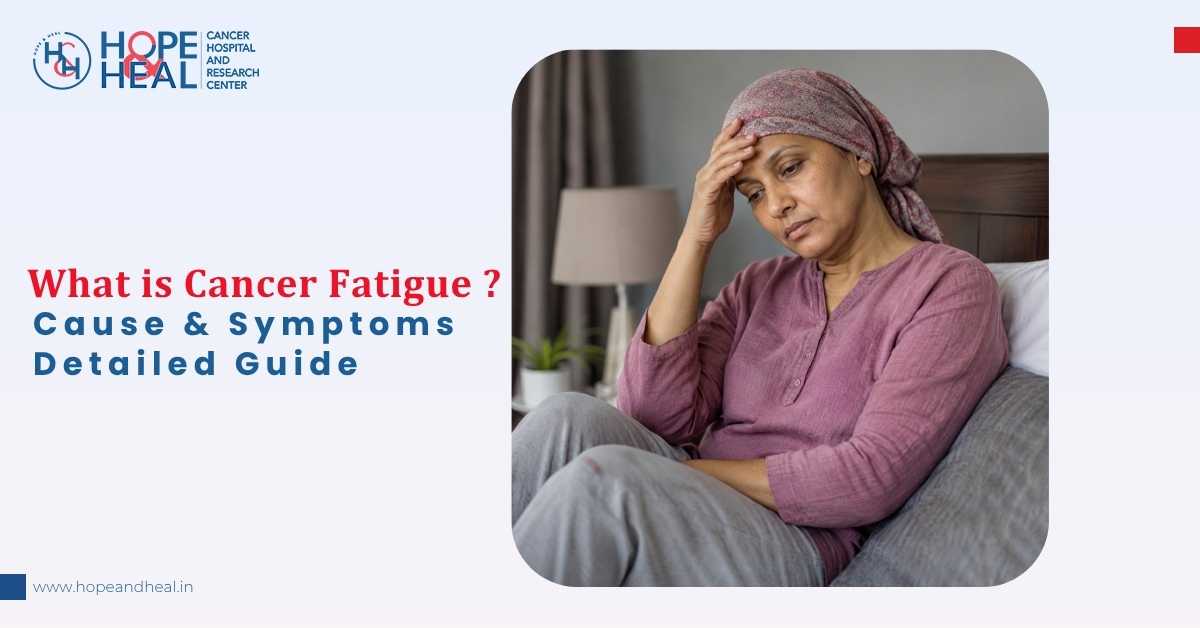



Any disease diagnosis can bring stress. Along with medical difficulties, many people endure excessive emotional stress with a cancer diagnosis. Extreme anxiety can result from the fear of treatment, uncertainty about the future, finances, changes in day-to-day living, et al. These emotions are normal and valid.
Anxiety following a cancer diagnosis can affect one’s sleep, eating, relationships, focus, and general well-being. While some level of fear is natural, practicing good coping methods can make a major difference in your emotional recovery and quality of life. Consult your doctor at a trusted cancer hospital in Siliguri City or near you for palliative support or advice on emotional health.
Understanding Anxiety Following a Cancer Diagnosis
Emotional shock is a very common reaction to receiving a cancer diagnosis. During the first several days or weeks, many people and their families may experience feeling scared, confused, numb, or powerless.
- Constantly worrying
- Thought racing
- Attacks of panic
- Having trouble falling asleep
- Irritability
- Having trouble focusing
- Fear of the results of treatment
- Tension or an elevated heart rate
Some people see a gradual reduction in anxiety, while others can still have difficulties during their recovery and cancer therapy. Early detection of these emotions is vital because moderate to high stress can interfere with the treatment.
Know Why Anxiety is Common among Cancer Patients
Cancer causes uncertainty, and uncertainty typically harbours anxiety, and patients may be concerned about:
- Recovery and survival
- Treatment side effects
- Pain control
- Family responsibilities
- Financial burdens
- Changes in appearance
- Loss of independence
Frequent medical visits, examinations, and lifestyle changes can also be emotionally draining in this regard. It's essential to keep in mind that anxious feelings are a normal human reaction to a scenario that could change one's life. But expert help is available to you for the best possible recovery.
Allow Yourself to Feel Your Emotions
Many people strive to stay strong following a cancer diagnosis. Although optimism is essential, repressing feelings isn’t of help, as it can eventually lead to more stress.
Do allow yourself to express your own feelings, and it's acceptable to feel:
- Fearful
- Furious
- Depressed
- Perplexed
- Frustrated
Emotional strain can be reduced if you accept the feelings rather than resisting them. Talking openly with trusted friends, family members, or counselors often gives relief, and you might speak with the top oncologist in Siliguri for stress-related concerns.
Journaling can also help handle unpleasant feelings, so you can put ideas on paper, which can help with clarity and lessen mental overload.
Create a Support Network
Emotional support is what we all need, which is one of the most vital tools for managing anxiety and stress throughout cancer treatment.
Support might come from:
- Friends and family
- Support groups for cancer
- Therapists
- Spiritual or religious groups
- Reliable online patient communities
Speaking with someone who understands your situation might alleviate feelings of isolation. Many cancer patients find emotional relief in support groups where they may ask questions, express their fears, and get encouragement.
Do not hesitate to ask for help, as loved ones often want to assist you but may not know how.
Consult a Mental Health Specialist
After receiving a cancer diagnosis, professional mental health care can be very helpful if you have extreme stress for days and you can’t sleep or eat properly.
Psychologists, counselors, and therapists can help patients:
- Manage fear and uncertainty
- Develop coping strategies
- Reduce panic and stress
- Improve emotional resilience
- Address sadness or trauma
Here, Cognitive Behavioral Therapy (CBT) is highly useful for anxiety management, which helps patients detect harmful thought habits. And, it effectively replaces them with positive viewpoints.
Doctors may occasionally advise taking medication to treat severe sadness or anxiety resulting from a cancer diagnosis and future uncertainty.

Keep Up to Date without Becoming Overwhelmed
Almost everyone has fear of the unknown might be lessened by learning about your diagnosis and course of therapy. Understanding what to expect typically provides patients a stronger sense of control.
On the other hand, excessive internet searching might worsen anxiety. Also, you must know that online medical information is not always trustworthy, and worst-case scenarios might cause more anxiety.
To maintain a healthy level of knowledge:
- Directly ask your cancer doctor questions
- Make use of reliable medical resources
- Before your appointments, pen down any concerns
- Avoid never-ending internet searches
You can feel more secure about treatment choices and reduce confusion when you clearly talk with your healthcare team.
Use Techniques for Relaxation
Calming the nervous system is of importance. Relaxation practices can naturally lessen your symptoms of anxiety or stress.
Helpful methods include:
Exercises for Deep Breathing. Breathing slowly tells the body to relax, and try inhaling deeply for four seconds, holding for four seconds, and expelling gently.
Practicing Meditation. Improving emotional balance and calming racing thoughts are two benefits of meditation; however, you might find it difficult in the beginning. Always use guided meditation, and you should know that even five to ten minutes every day can make an impact.
Progressive Muscle Relaxation. To relieve physical tension, this method includes focusing and relaxing various muscle groups.
Guided Visualization.During difficult times, visualizing serene images helps ease tension and encourage relaxation.
Routine relaxation techniques may enhance your emotional health, reduce stress hormones, and promote better sleep.
Focus on What You Can Control
Diseases like cancer often make people feel powerless. Now, restoring confidence and lowering anxiety is possible when you concentrate on manageable tasks.
The diagnosis may be beyond your control, but you do have control over:
- Going to doctor's visits
- Following treatment plans
- Consuming nutritious meals
- Getting proper rest
- Maintaining an active lifestyle wherever possible
- Asking questions
- Seeking help
Small daily actions offer a sense of stability amid uncertain times. Get expert guidance on anxiety management during and after treatment at the most trusted cancer hospital in Siliguri.
Keep Your Daily Routines Healthy
Normal habits might be disturbed by anxiety, yet you must know mental health depends on keeping order.
Simple practices are of great help, including:
- Getting up at a regular time
- Consuming balanced meals
- Taking quick strolls
- Staying hydrated
- Restricting caffeine
- Not drinking alcohol
- Prioritizing sleep
Routine promotes predictability, which can help minimize your stress and emotional depletion this time and beyond.
Ensure Moderate Exercise
Did you know that physical activity can be a potent anxiety reliever? Exercise elevates happiness, reduces stress, and produces endorphins.
Depending on your energy and medical condition, activities may include:
- Walking
- Stretching gently
- Yoga
- Mild strength training
- Movement techniques that focus on breathing
Always ask your healthcare professional before you initiate new physical activity during therapy, and rest is essential, so be aware of that.
Manage Fear of the Future
Fear about the future comes naturally after a cancer diagnosis.
While you prepare ahead of time is normal, thinking about the worst-case situation all the time can exacerbate your emotional distress.
Treatments have come a long way, and diagnostic techniques have improved a lot. Try focusing on the present moment instead of projecting the future. Mindfulness, healthy eating, quality sleep, etc., will be helpful.
Reduce Your Exposure to Stressful Information
There’s no doubt that anxiety may get worse if one is constantly exposed to upsetting or bad news.
Defend your mental well-being by:
- Stepping away from unproductive information on social media
- Avoiding upsetting internet forums
- Avoiding overwhelming discussions to set boundaries
- Spending time with upbeat and encouraging individuals
During cancer therapy, mental and physical relaxation are equally vital; therefore, limiting our contact with unnecessary and stressful news is essential.
Openly Communicate with Your Loved Ones
Misunderstandings and emotional loneliness are common ut you can reduce them when there is open communication. Be open about your needs and encourage those you care about to do the same.
During cancer treatment, connections can be strengthened, and a stronger support system can be set up via healthy communication with your loved ones.
Know When Anxiety Needs Immediate Attention
Severe symptoms need expert attention, even though anxiety is typical following a cancer diagnosis.
Seek expert assistance if anxiety results in:
- Continuous panic episodes
- Severe sleep problems
- Inability to carry out daily tasks
- Severe sadness
- Thoughts of self-harm
- Distancing oneself from loved ones
Mental health treatment is a vital part of cancer care and is also common. Early assistance helps save mental stress from becoming out of control and lets treatment be more effective.
Final Words
Coping with anxiety after a cancer diagnosis takes time, and expert help is very effective if you consider it. Though emotional tension, fear, and uncertainty are common, support and useful coping mechanisms are there to prevent emotional complications in the best way possible.
Feel free to seek emotional support from a health expert, and you might get advice on this from the top cancer specialists in Siliguri at Hope & Heal.