




No doubt, most air pollution is discussed in relation to respiratory conditions. These include allergies, asthma, and climate change; its link to lung cancer is serious. And occasionally, we overlook the link here.
Though smoking is still the main cause of lung cancer, there is mounting evidence that long-term exposure to contaminated air can raise the risk of lung cancer. Proper diagnosis of symptoms is essential, and for lung cancer treatment in Siliguri or anywhere, choosing trusted doctors or a hospital is vital.
Air Pollution
Air pollution, in simple words, is a combination of hazardous elements found in the air we breathe. These contaminants are produced both naturally and by humans, and the most harmful forms come from:
- Vehicle exhaust
- Industrial emissions
- Burning fossil fuels
- Construction activity
- Agricultural burning
- Household cooking using solid fuels
These sources, emitting a mixture of gases and particles, can penetrate deep into our lungs.
Lung Cancer Overview
Lung cancer is a form of cancer that grows when gene mutations take place in the lungs. And, lung cells grow uncontrollably, resulting in tumors that disrupt normal lung functioning. This is a major cause of cancer-related fatalities worldwide.
While smoking remains the predominant risk factor, environmental exposures, particularly air pollution, have a role. Non-small cell lung cancer (NSCLC) is the most frequent kind, but small cell lung cancer (SCLC) is more aggressive and rapidly developing (less common).
Toxic Chemicals & Carcinogens
Air pollution comprises a variety of cancer-causing chemicals, and these include:
- Heavy metals, such as arsenic and cadmium
- Benzene
- Formaldehyde
- Polycyclic aromatic hydrocarbons (PAH)
These substances can bind to DNA in lung cells, causing mutations that eventually lead to cancerous growth.
Chronic Inflammation
Chronic inflammation of the respiratory system due to frequent exposure to contaminated air can increase health risks. This persistent discomfort can include:
- Weakness of the immune system
- Increase cell turnover (increases mutation risk)
- Create an environment in which cancer cells can thrive
Inflammation is increasingly acknowledged as playing a major role in cancer growth in the body.
Fine Particulate Matter (PM2.5)
PM2.5/ fine particulate matter is one of the most hazardous components of air pollution. Such particles are incredibly small. These particles can travel deep into the lungs and even into the bloodstream, and after entering the body, PM2.5 can:
- Causes inflammation in the lung tissues
- Damage DNA
- Cause mutations in cells
- Promote tumor growth
In the long run, ongoing exposure to PM2.5 has been related to a higher risk of lung cancer, even at low levels.
Oxidative Stress
Pollutants produce free radicals. Now, these are unstable chemicals that damage cells via a process known as oxidative stress, which can:
- Damage the lung tissue
- Alter genetic material
- Raise the progression of cancer
Over time, oxidative stress plays a crucial role in the growth of lung cancer.
Learn Why Nonsmokers Are Also At Risk
One worrisome side of air pollution is that it affects everyone, not just smokers. Did you know that, in fact, a large proportion of lung cancer diagnoses occur in people who have never smoked?
Thus, we can say, for nonsmokers, air pollution might be a major risk factor, which is especially noticeable in:
- Urban populations
- People residing near highways or industrial regions
- Individuals are subject to indoor air pollution
Air quality is a major contributor to lung health.
So, one of the most urgent environmental and public health issues of our day is air pollution.
Yes, every day, many individuals are exposed to dangerous airborne particles in industrial areas and busy urban regions.
The long-term effects are even more concerning, even if the immediate ones, such as coughing, eye discomfort, and breathing difficulties, are common.
Who Is Most in Danger?
No doubt, everyone is impacted by air pollution, though some populations are more susceptible to its negative consequences.
- Due to traffic and industrial pollution, urban residents are more exposed
- The respiratory systems of children and the elderly are more delicate to these pollutants
- Long-term exposure to contaminated air for outdoor workers
- People who already have a lung condition, such as COPD or asthma
- Environmental variables are having an increasing impact on non-smokers
A Comparison of Smoking & Air Pollution
Even though smoking is still the primary cause of lung cancer, air pollution is becoming a major concern, especially for non-smokers.
Smoking: High-dose, direct exposure to toxins.
Air pollution: Large populations are impacted by ongoing, low-dose exposure to air pollution.
Simply because air pollution impacts millions of people at once, it poses a threat to global public health, and there’s no doubt about it.
Indoor Air Pollution: A Neglected Risk
Many people believe that they may avoid pollution by remaining indoors, but indoor air can frequently be equally dangerous. And further, it’s not practically possible and beneficial for health.
Typical Sources
- Cooking using solid fuels (coal, wood)
- Smoke from tobacco
- Chemicals used in homes
- Inadequate ventilation
Did you know that indoor air pollution is a major risk factor for lung cancer in many developing countries, especially for women who cook more?
Signs of Pollution-Related Lung Damage
Though lung damage may not be apparent at first, it can get worse over time.
- Cautionary Signs
- Chronic coughing
- Breathlessness
- Discomfort in the chest
- Wheezing
- Regular infections of the respiratory system
You have to understand that even while these symptoms don't usually point to cancer, you should not ignore these signs.
For effective lung cancer treatment in Siliguri or near you, an accurate and timely diagnosis is vital.
Some Preventive Actions - How to Keep Yourself Safe
Your chance of developing lung cancer can be considerably lower if you limit your exposure to air pollution.
Keep an eye on the air quality. On days when there is a lot of pollution, try to limit your outside activities & keep up with the daily air quality levels.
You can make use of air purifiers. HEPA-filtered indoor air purifiers might lessen dangerous pollutants in your house.
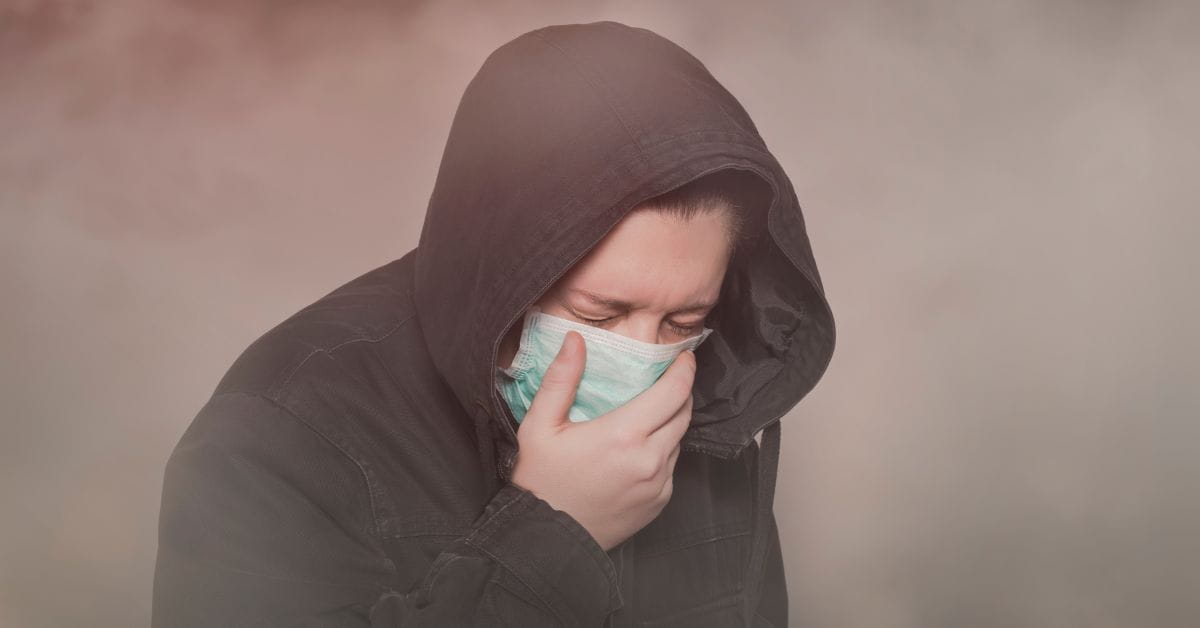
Put on safety masks. When you are outside, try to use high-quality masks, which can filter out small particles.
Enhance airflow. To lessen indoor pollutants, be sure your house has enough ventilation (very essential).
Avoid busy areas. Spend as little time as possible close to industrial areas or busy roads.
Use clean cooking techniques. Instead of using solid fuels, switch to greener fuels/ electricity or LPG.
The World View
The fact is that air pollution is a global problem that is not limited to any one area. Undoubtedly, in many regions of the world, air quality has deteriorated due to rapid urbanization and industrialization.
Unsettling Patterns
- Growing levels of pollution in developing nations
- Lung cancer cases among nonsmokers are rising
- Air quality problems are being made worse by climate change
And, in order to properly address these issues, international cooperation is a must.
Yes, we now have a better grasp of how lung cancer risk is impacted by air pollution because of advances in medical research.
New Fields of Research
- Genetic vulnerability to contamination
- Techniques for early detection
- Targeted treatments for tumors caused by pollution
There is potential for more successful preventative plus therapeutic ways with improved data and technology.
Again, Be Aware of These Symptoms
Reach out to your general physician or pulmonologist if you notice health discomfort like:
- Ongoing coughing with breathlessness
- Pain in the chest & wheezing
- Increased frequency of infections of the respiratory system
- Fatigue and weight loss
- Tiredness & coughing up blood
You should immediately seek guidance from a doctor and never delay.
Conclusion
Nowadays, air pollution is more than simply a problem. It has become a serious health concern that can lead to various respiratory health concerns, including lung cancer.
Even if smoking is still a major risk factor, the impact of contaminated air cannot be overlooked in any way. This is true, particularly as it affects non-smokers globally.
You are more equipped to take preventative action and promote cleaner air when you are aware of the role that air pollution plays in lung cancer. Isn’t it? Every good action matters.
Here, the first step in protecting your lungs is awareness, we can say.
Consult the top oncologists in Siliguri or near you at Hope & Heal Cancer Hospital for expert guidance on lung cancer treatment and advanced care.
FAQs
1. Can nonsmokers develop lung cancer because of air pollution?
They can develop, even for nonsmokers, prolonged exposure to contaminated air greatly raises the risk of lung cancer.
2. Which pollutant is most risky for the lungs?
Because fine particulate matter (PM2.5) can deeply infiltrate lung tissue, it is thought to be highly risky for respiratory health.
3. How can I assess the quality of the air where I live?
Well, to stay informed, you might use government websites that monitor air quality or weather applications.
4. Do masks work well to reduce air pollution?
Yes, small particles may be filtered out, & exposure can be low with high-quality masks like N95.
5. Is the air within safer than the air outside?
Not all the time, but we have to understand that household sources and inadequate ventilation can contaminate indoor air.