



Although not all cancers may be prevented, evidence indicates that early screening and good lifestyle choices can help you. It might prevent up to forty to fifty percent of cancer incidences. That means our everyday decisions are of great importance, from what we eat, how we move, to how we care for our bodies.
This blog tells you practical, wise choices that are easy to grasp and simple to incorporate. To safeguard your long-term health, you don't always need drastic changes. Consult your doctor at the best cancer hospital in Siliguri for personalized treatment and expert management.
Small actions taken can have a significant impact on your well-being.
Overview of Cancer Risk
It’s important that you understand that reducing cancer risk doesn’t mean completely eliminating it. Cancer arises from a mix of factors, like genetics, environmental influences, and lifestyle choices. We must know that some risk factors, such as age and family history, are beyond our control.
However, many others, like smoking, dietary habits, alcohol consumption, body weight, and physical activity, can be changed. By concentrating on the aspects you can influence, you can lower your chances of developing several cancers. These include those of the breast, colon, lung, cervix, prostate, skin, and others.
1. Emphasize a Diet That Helps Prevent Cancer
There’s no doubt that nutrition plays a crucial role in long-term wellness. A flawless diet isn’t necessary; just aiming for a consistently balanced one is vital. Below are the key eating habits associated with a reduced risk of cancer:
2. Consume more whole, plant-based foods.
Fruits, vegetables, whole grains, legumes, nuts, and seeds are rich in antioxidants, vitamins, minerals, and fiber that assist in shielding cells from harm.
The best ones are often:
-
Leafy greens (such as spinach, kale, and romaine)
-
Berries
-
Tomatoes
-
Cruciferous vegetables (including broccoli, cauliflower, and cabbage)
-
Beans and lentils
-
Whole grains
Feel free to avoid some foods if you are allergic to them. While you might not be able to eliminate every risk factor, you can tilt the balance heavily in your favor.
3. Limit ultra-processed foods.
Highly processed food items usually contain artificial preservatives, additives, and elevated amounts of sugar, salt, and unhealthy fats. Plus, studies indicate that they may lead to weight gain and cellular inflammation, both of which are linked to various cancers.
4. Limit red and processed meats.
Did you know that frequent intake of hot dogs, bacon, sausage, and large portions of red meat is associated with an increased risk of colorectal cancer? If you do consume meat, opt for leaner cuts, and try to incorporate plant proteins more often.
Do go for healthier fats.
Try to embrace on:
-
Olive oil
-
Nuts and seeds
-
Avocado
-
Fatty fish like salmon, sardines, trout
-
Restrict trans fats and heavily fried foods
5. Manage your body weight.
Yes, keeping a healthy weight is essential, whether it’s for breast cancer risk prevention. Nutrition plays a major role in body weight, and sustaining a steady, healthy weight is regarded as one of the most effective strategies for preventing cancer.
Increased body fat often contributes to inflammation and elevated hormone levels, which can encourage certain types of cancer, particularly breast, endometrial, and colorectal cancers.
6. Explore and try daily physical activity.
Regular exercise lowers the risk of various cancer types, even if your weight remains the same.
Reasons why physical activity aids in lowering cancer risk:
-
Balances hormones like estrogen and insulin.
-
Enhances immune system performance.
-
Decreases inflammation.
-
Aids in keeping a healthy weight.
What is the recommended amount of exercise?
150–300 minutes of moderate or comfortable activity each week (such as brisk walking), or 40–75 minutes of vigorous activity (like running), in addition to strength training on two occasions each week.
However, if this seems daunting, begin with smaller steps:
-
A daily 10-minute walk
-
Stretching while watching television
-
Exercises at your desk
-
Swimming or biking once a week
The aim is to maintain regular movement.
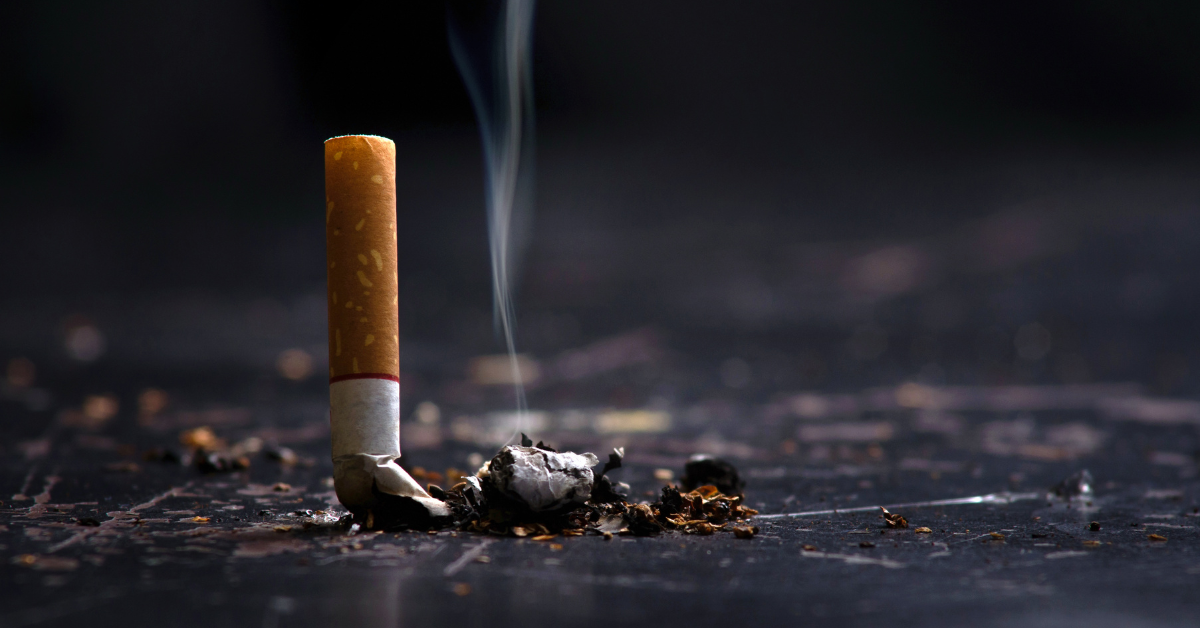
1. Avoid tobacco in every form.
Tobacco remains the primary cause of preventable cancer around the globe, and this encompasses:
-
Cigarettes
-
Cigars
-
Smokeless tobacco
-
Vaping (which is increasingly associated with lung and oral harm)
However, there is no completely safe amount of smoking, and even infrequent smoking or secondhand smoke raises the risk.
However, smoking cessation always has positive effects. In the span of:
20 minutes: heart rate starts to improve
1 month: lung function begins to recover
10 years: the risk of lung cancer is reduced by as much as 50%
If stopping feels challenging, think about:
-
Nicotine replacement options
-
Support networks
-
Mobile applications
-
Therapy
-
Consulting your physician about medication alternatives
Ceasing smoking is a process, and looking for assistance is a sign of strength.
.png)
2. Reduce alcohol intake.
There is a clear connection between alcohol and cancers affecting the breast, liver, mouth, throat, colon, and esophagus.
However, decreasing your weekly consumption, even just a little, still lowers your risk. You need to consider:
-
Switching between alcoholic and non-alcoholic beverages
-
Opting for drinks with lower alcohol content
-
Establishing weekly consumption limits
-
Exploring mocktail alternatives
Seek advice from one of the best oncologists in Siliguri or near you for personalized help.
.png)
3. Maintain current vaccinations.
Some vaccines help prevent diseases that can result in cancer.
The HPV vaccine which offers protection against the human papillomavirus. It is responsible for:
-
Cervical cancer
-
Throat cancer
-
Anal cancer
-
Some penile and vaginal cancers
It is advised for preteens, teenagers, and young adults, but adults up to 45 years old may also check with a doctor about their eligibility.
The hepatitis B vaccine offers protection against chronic hepatitis infections that elevate the risk of liver cancer.
.png)
4. Manage anxiety and emphasize rest.
Although stress alone doesn’t directly lead to cancer, ongoing stress can impair immune function, encourage unhealthy behaviors, and disturb sleep, factors that can indirectly influence long-term health.
Effective methods for managing stress include:
-
Mindfulness practices or deep breathing exercises
-
Yoga or gentle movements
-
Conversing with friends and family
-
Writing in a journal
-
Taking walks in natural settings
-
Seeking therapy or counseling
Good quality sleep aids the body in repairing damaged cells and maintaining stable hormone levels, which is crucial for preventing cancer.
Taking the right decisions is the key to lowering lifelong cancer risk. Your body gets stronger, you have more energy, and your long-term wellbeing is supported by every tiny step you take in the direction of a better lifestyle. Take the first step and begin with one or two changes that feel attainable, then grow from there.
Speak to your medical experts at the best cancer hospital in Siliguri

